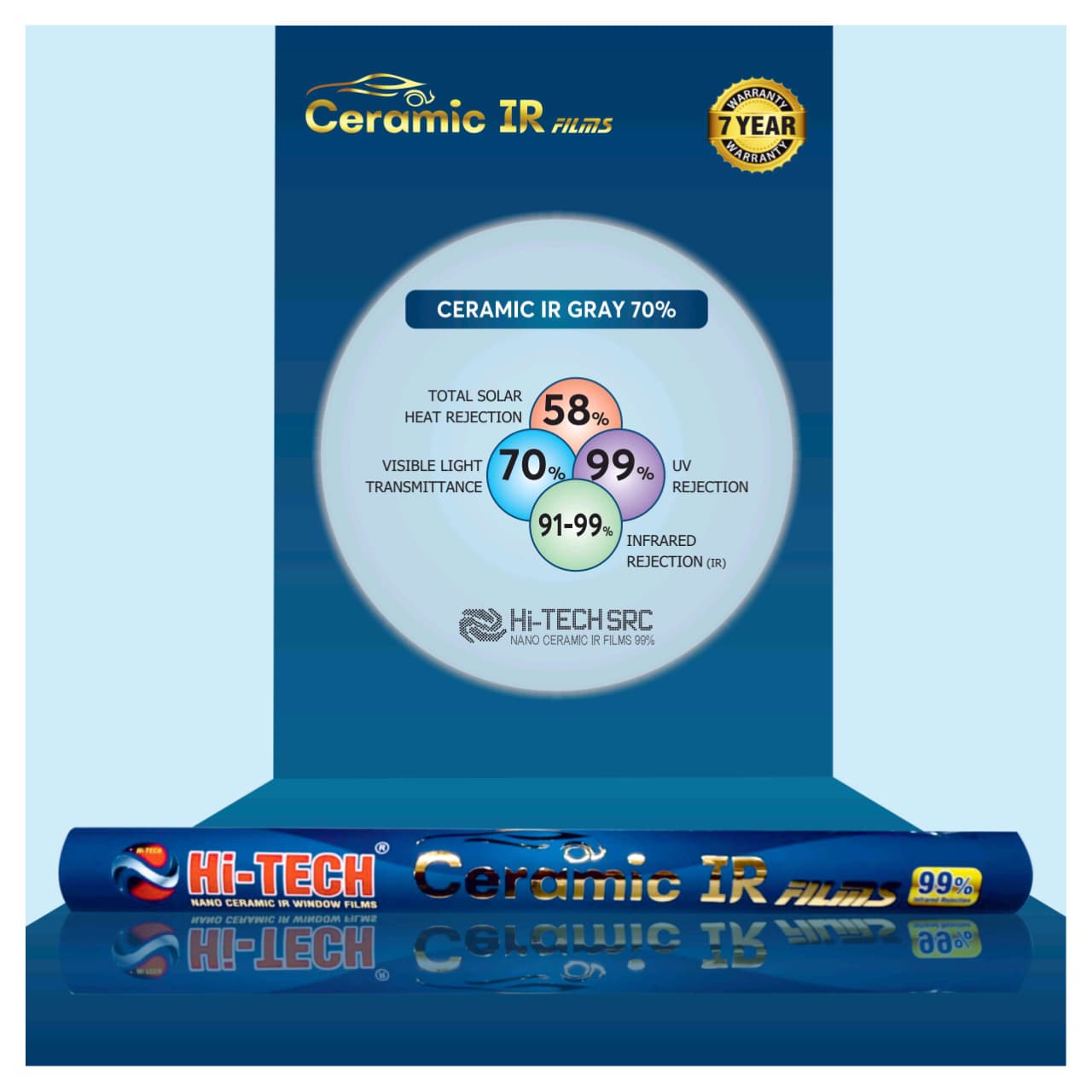
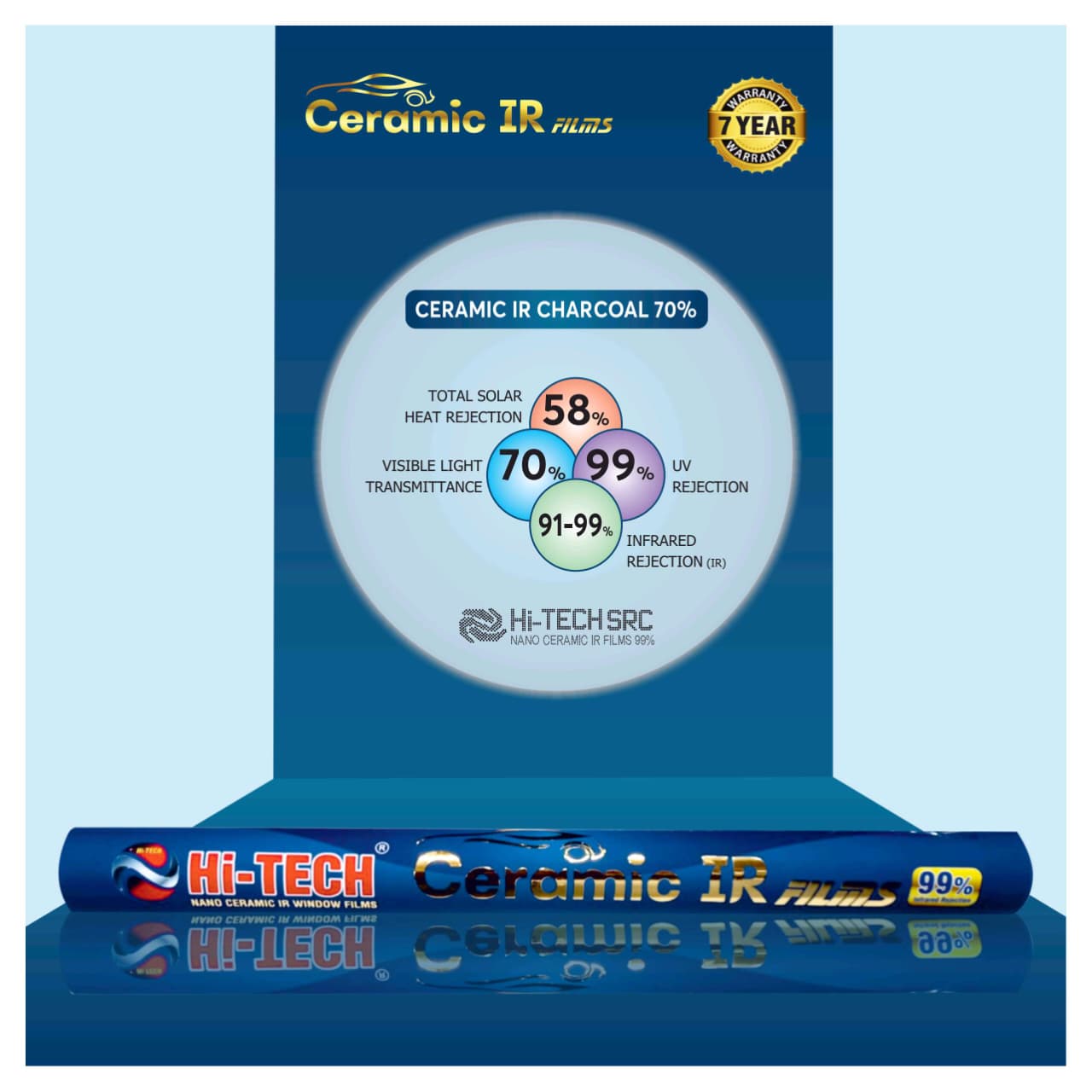
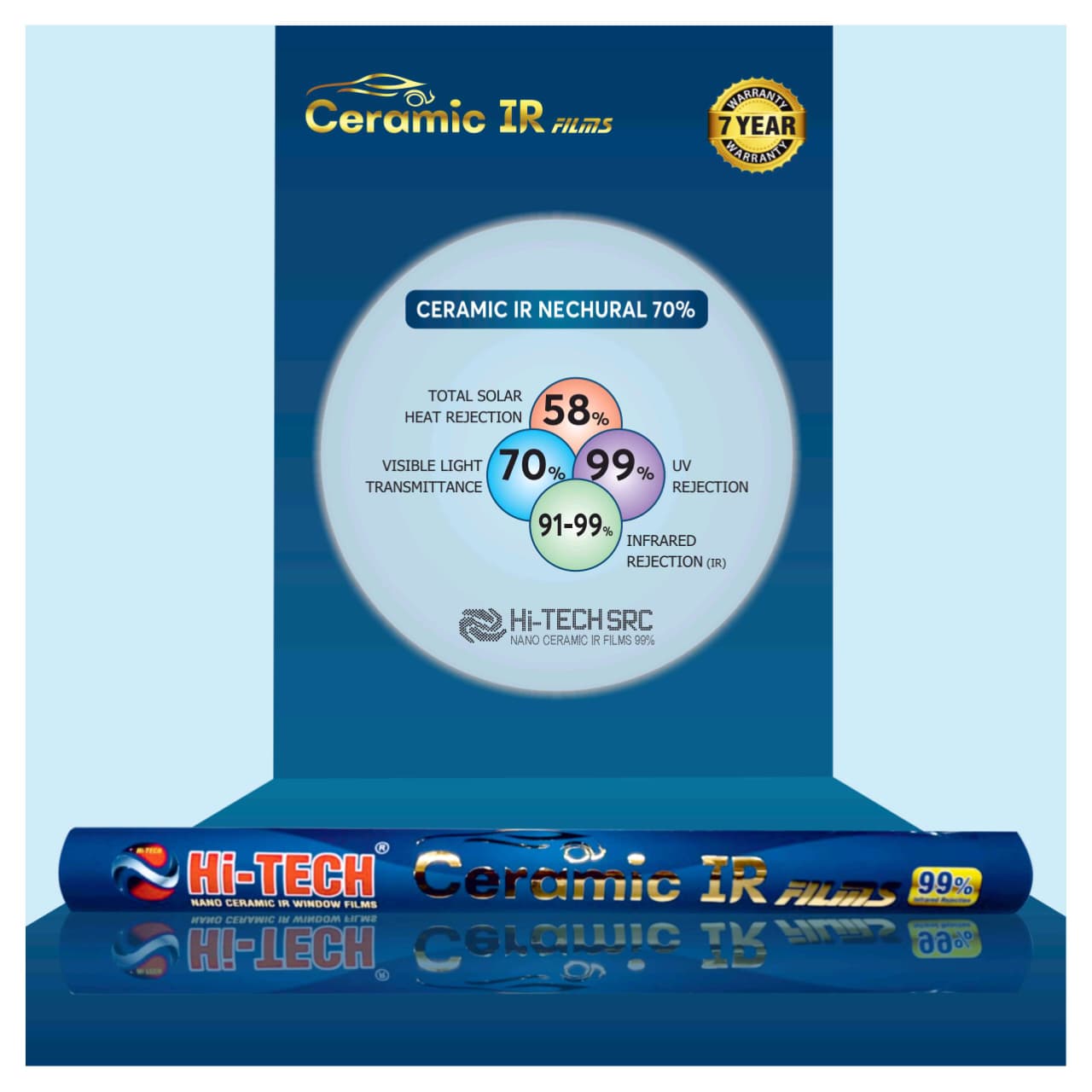
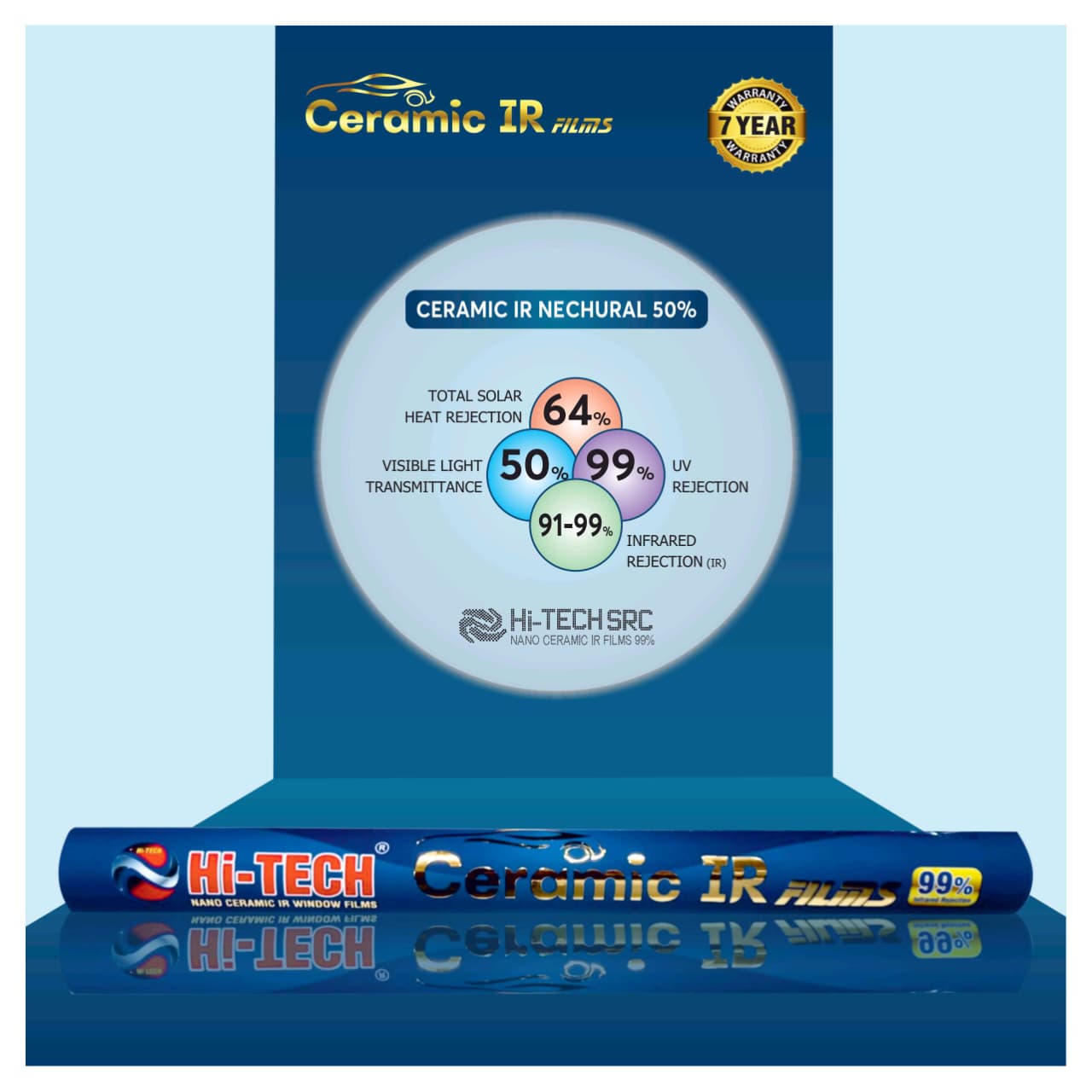
Description

.NANO CERAMIC IR WINDOW TINTS HAYR PRIMIUM RENJ FILMSUV Protection Film for Car Windows – Does It Really Protect Your Skin?Most people install a sun control film for car to reduce heat, but there’s another factor that often gets ignored-UV exposure while driving. In a country like India, where sunlight intensity is high for most of the year, long hours behind the wheel can quietly expose your skin to harmful ultraviolet rays.
The common assumption is that car glass already blocks UV radiation. That’s only partially true.
Standard automotive glass blocks a portion of UVB rays, but UVA rays-responsible for skin ageing and long-term damage-can still pass through. This is why even regular drivers experience tanning, uneven skin tone, and in extreme cases, long-term skin issues despite being inside the car.Heat inside your car is not primarily caused by brightness. It’s driven by infrared radiation, which carries energy through the glass and gets trapped inside. A darker car window tint film may make the interior look less bright, but unless it blocks infrared rays, the heat will still build up.
What Makes a Film Effective for Heat
The best window film for heat is one that targets solar energy at multiple levels, not just visible light. High-performance heat control window films are designed to:
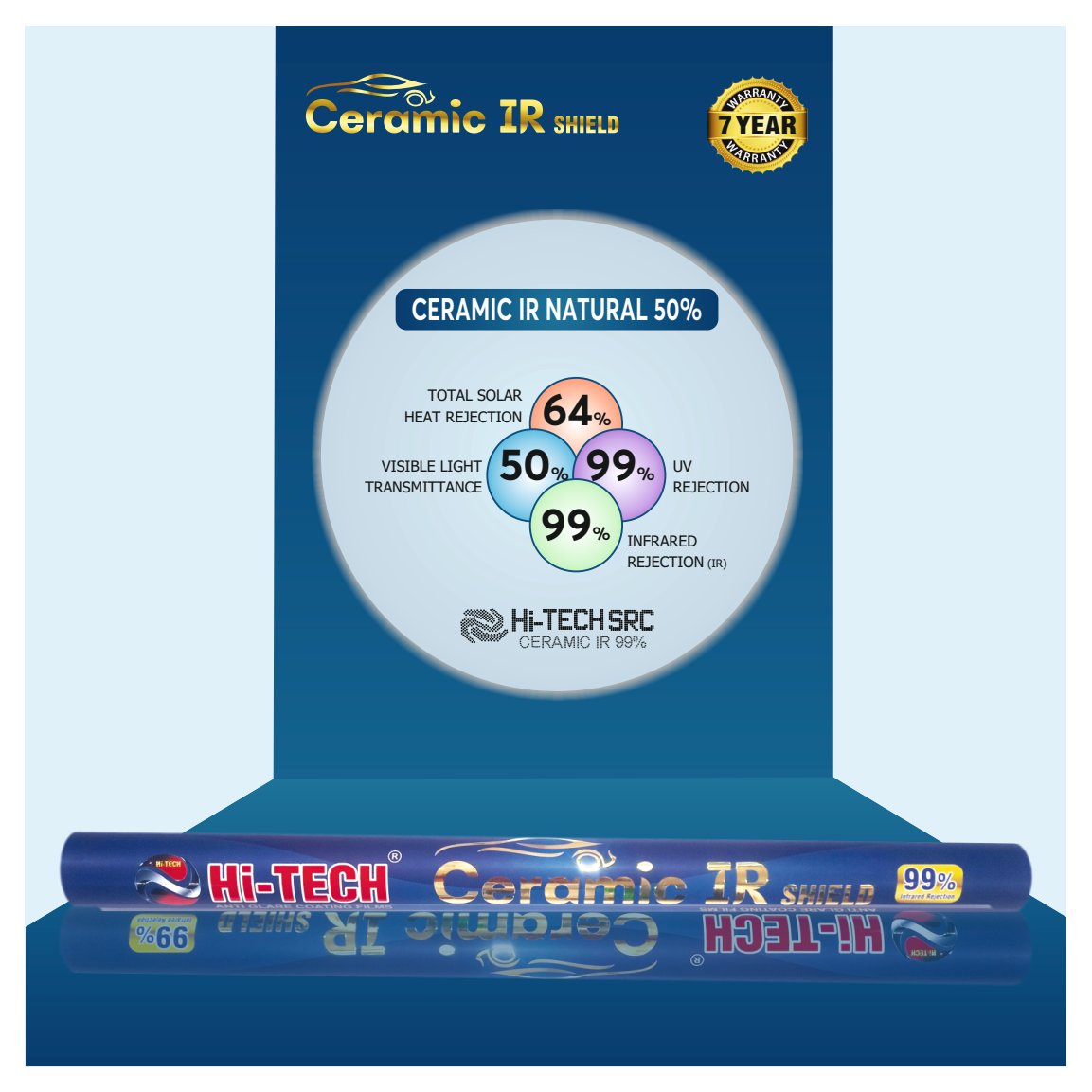
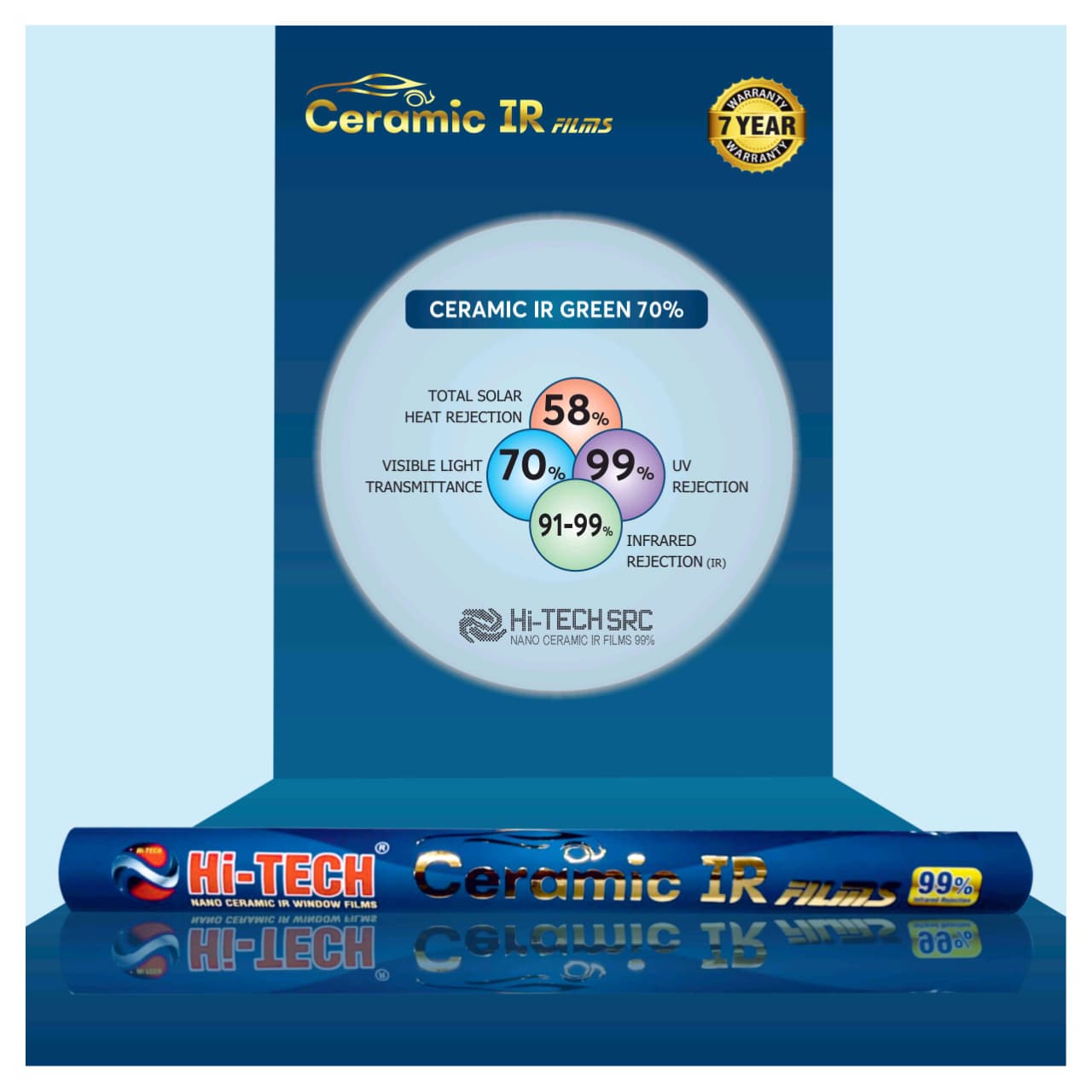
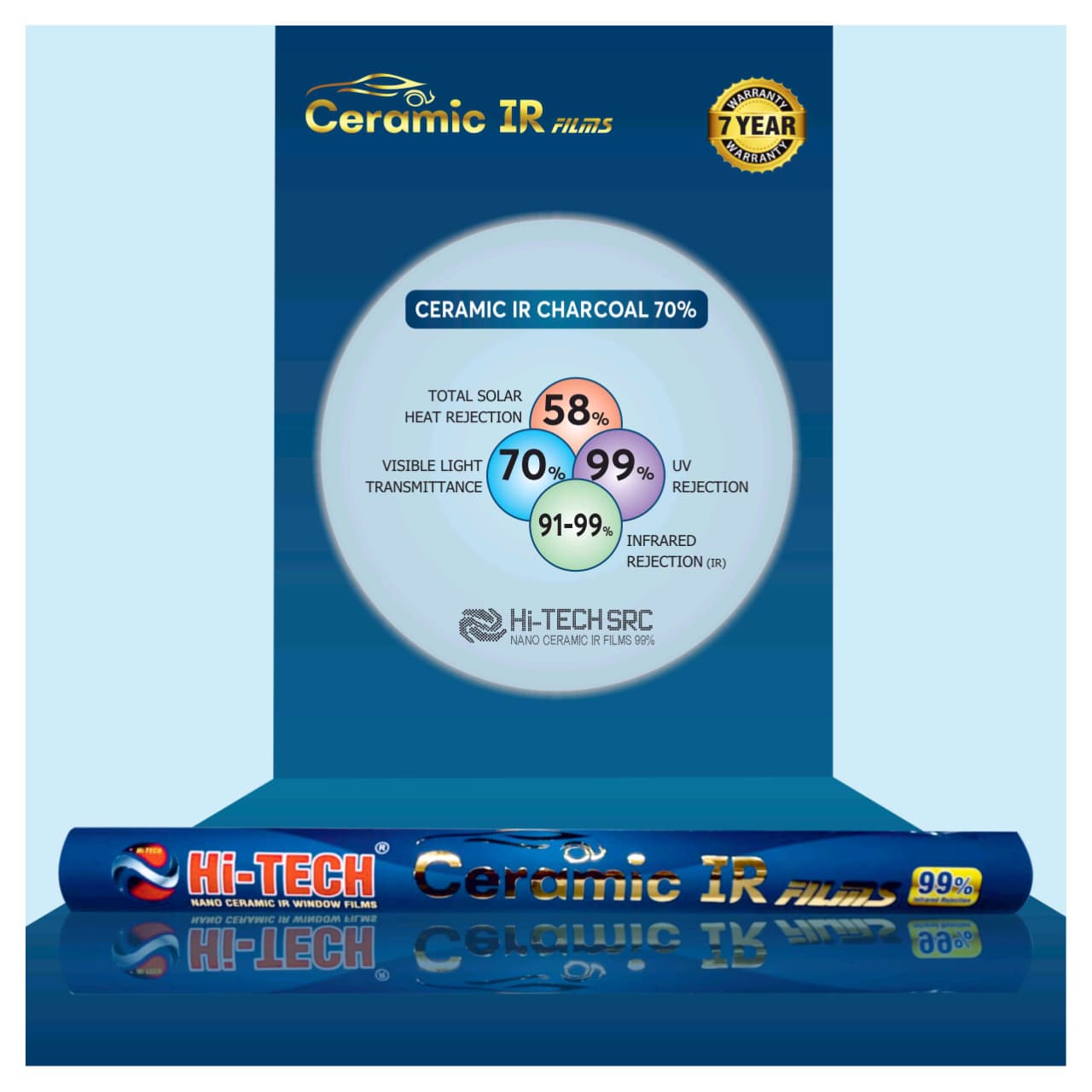
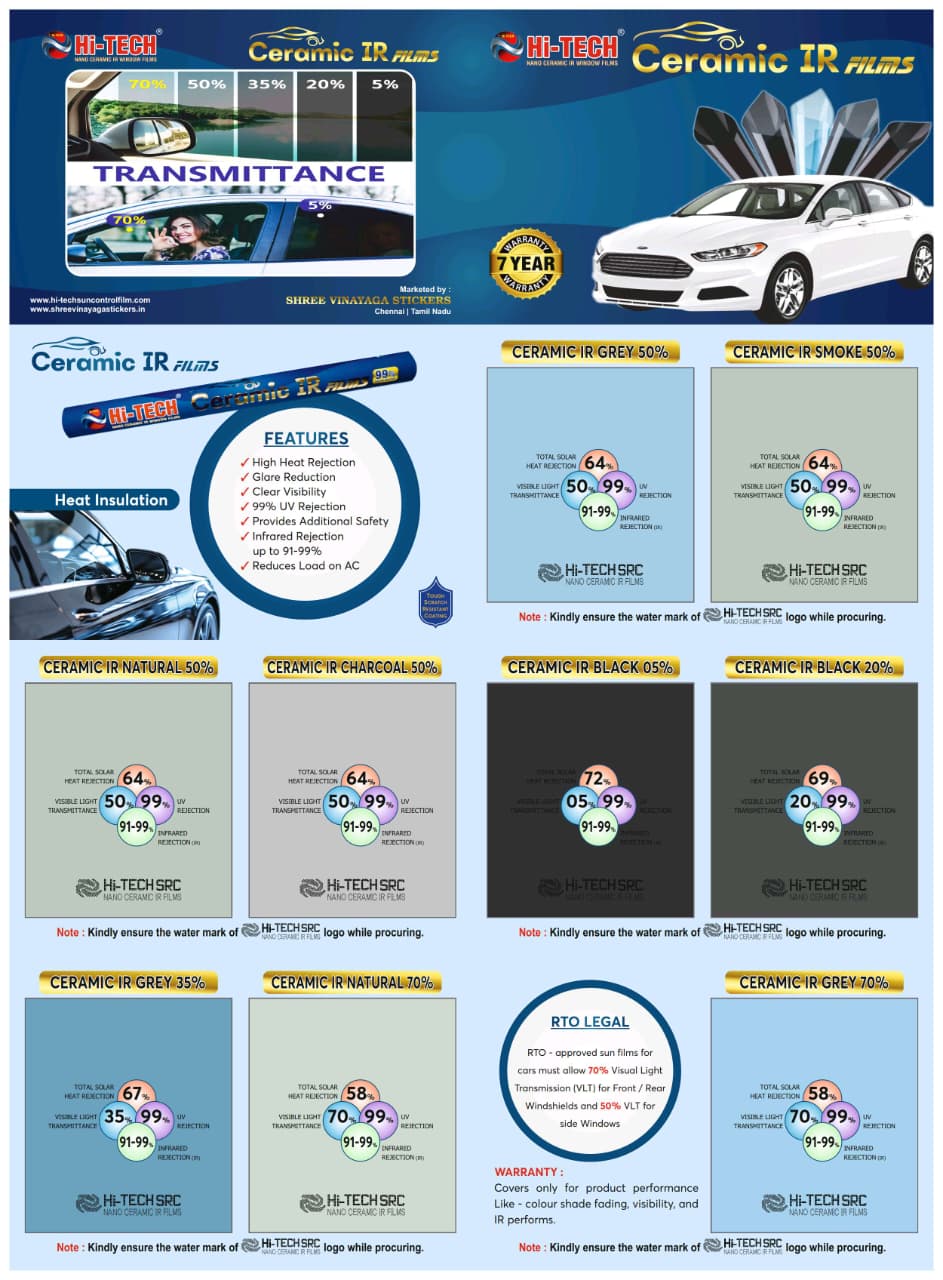
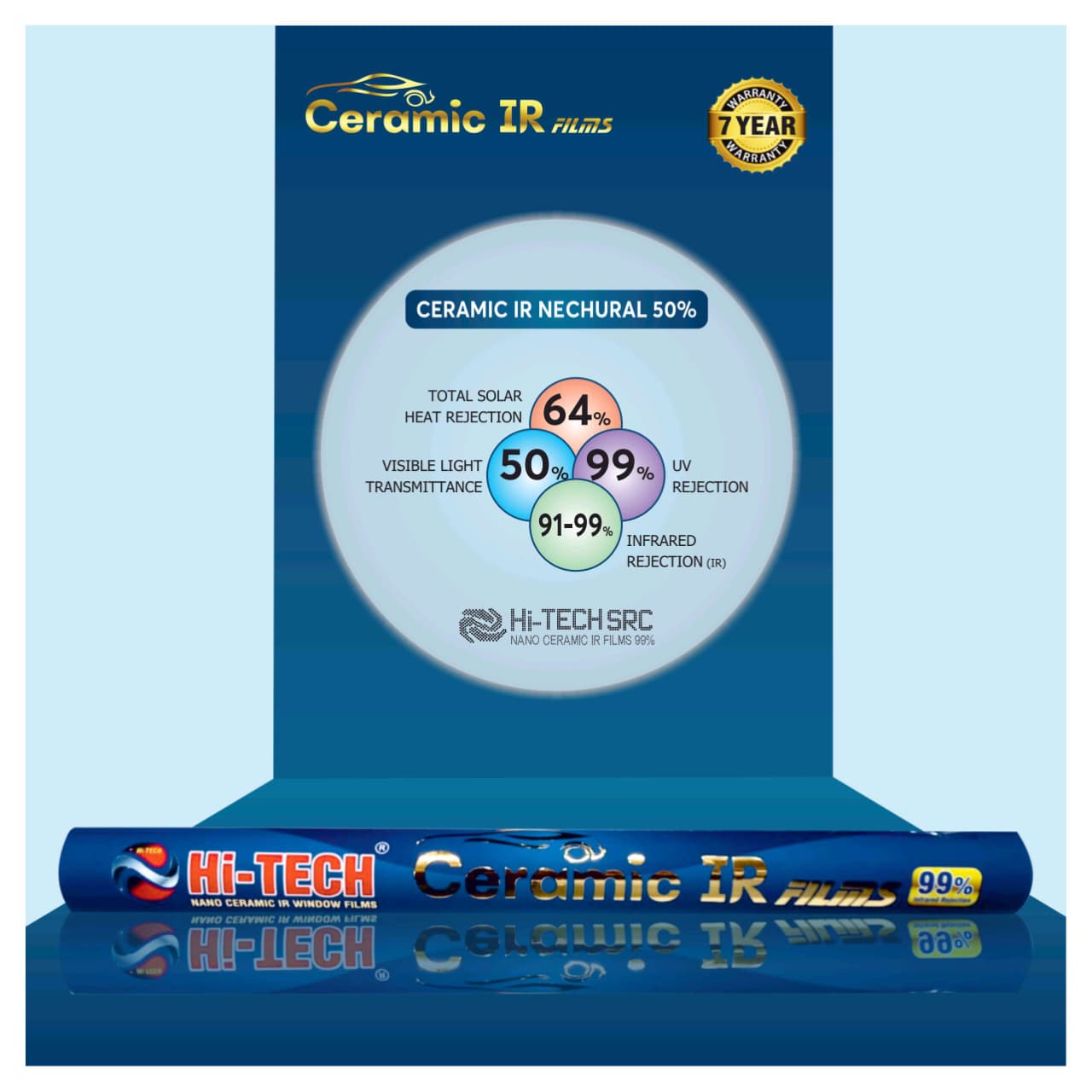
Block a significant portion of infrared heat (IR rejection)
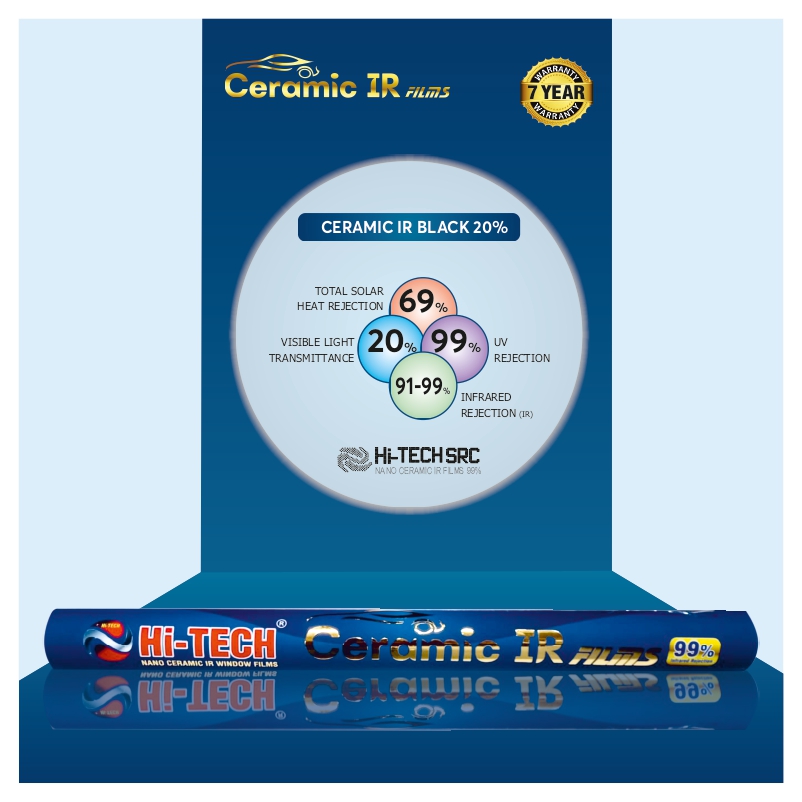
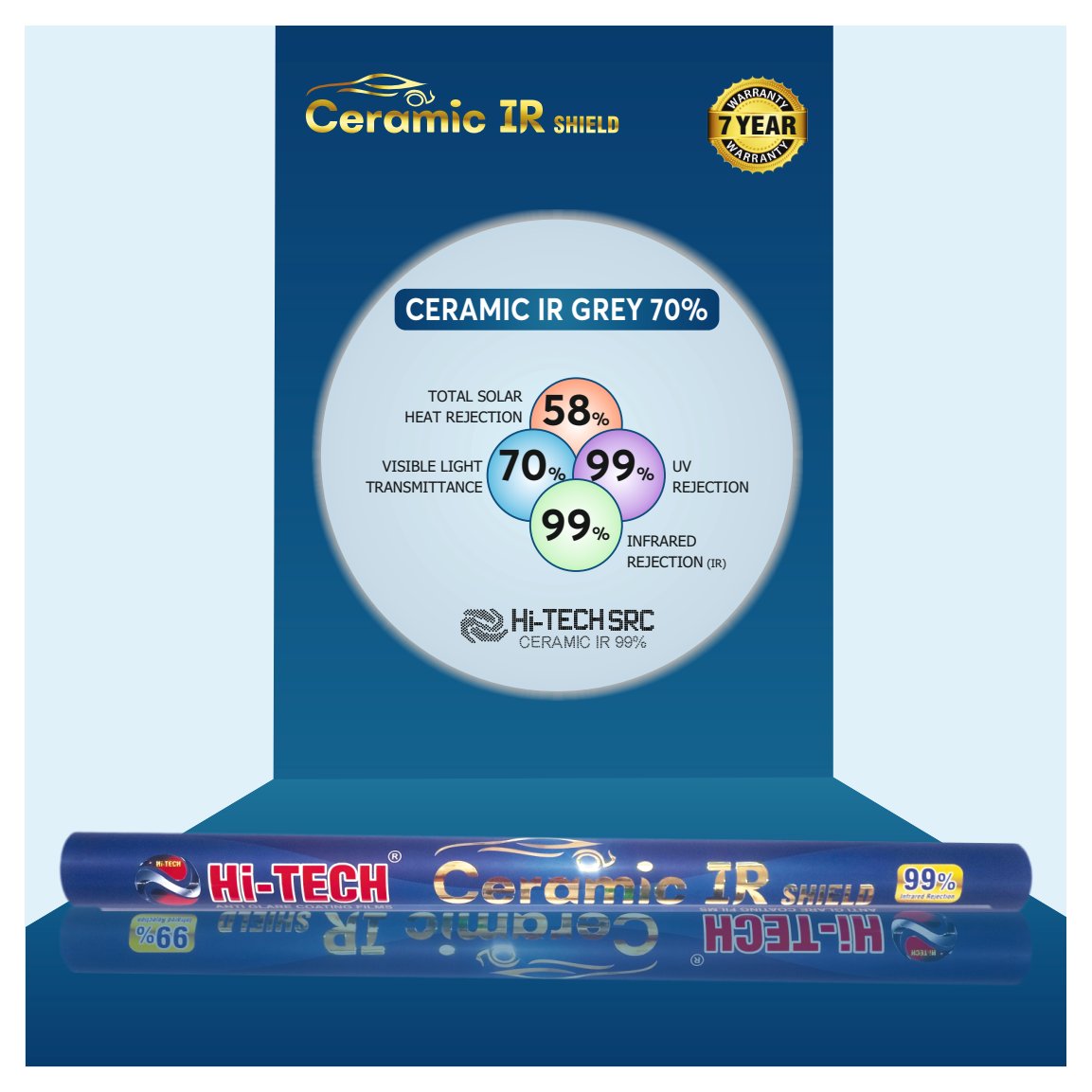
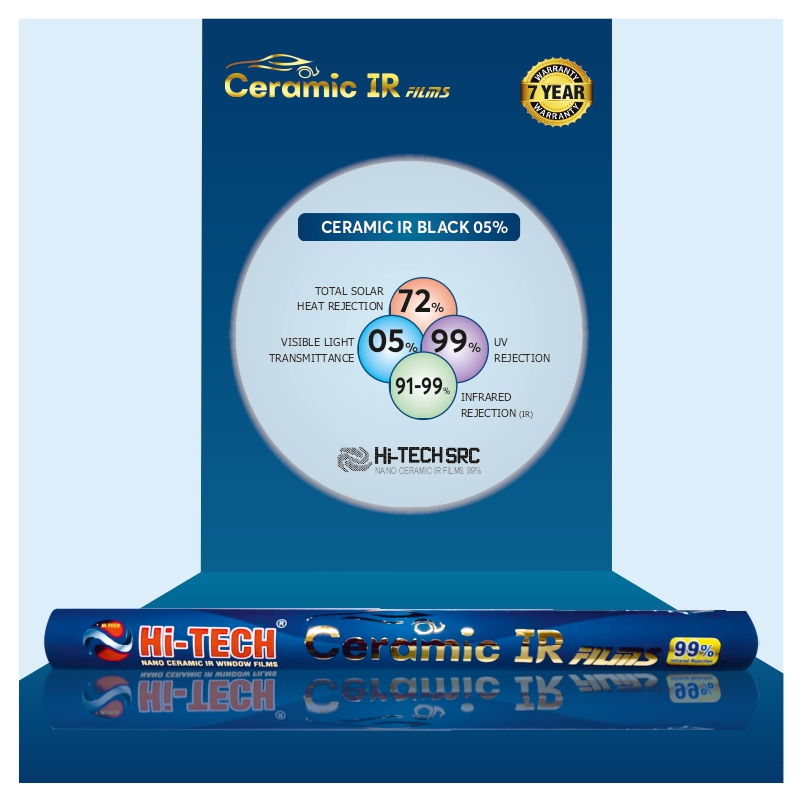
Deliver high TSER (Total Solar Energy Rejection)
Reduce glare without excessive darkness
Maintain visibility for legal compliance
This combination is what actually lowers cabin temperature in real-world conditions.
Why Technology Matters More Than Tint
Older films relied on dye or metal layers. These approaches either:
Fade over time
Interfere with signals
Or fail to block enough heat
Modern nano ceramic window films solve these issues by using advanced particles that filter heat without affecting clarity or electronics. This is why they are increasingly considered the best tint for car owners dealing with harsh sunlight.
Real-World Benefits You’ll Notice
A properly chosen heat control window film changes daily driving more than most people expect. Instead of stepping into a heat-trapped cabin, you experience:
Noticeably lower interior temperature
Faster cooling when AC is turned on
Reduced strain on your car’s cooling system
Better comfort during long drives
This is especially valuable if your car is frequently parked outdoors.
Choosing a Film That Actually Delivers
Instead of going by price or darkness, the smarter approach is to choose a film designed specifically for heat rejection performance.
If you’re looking for consistent heat reduction instead of trial-and-error, choosing a film built for performance is key.
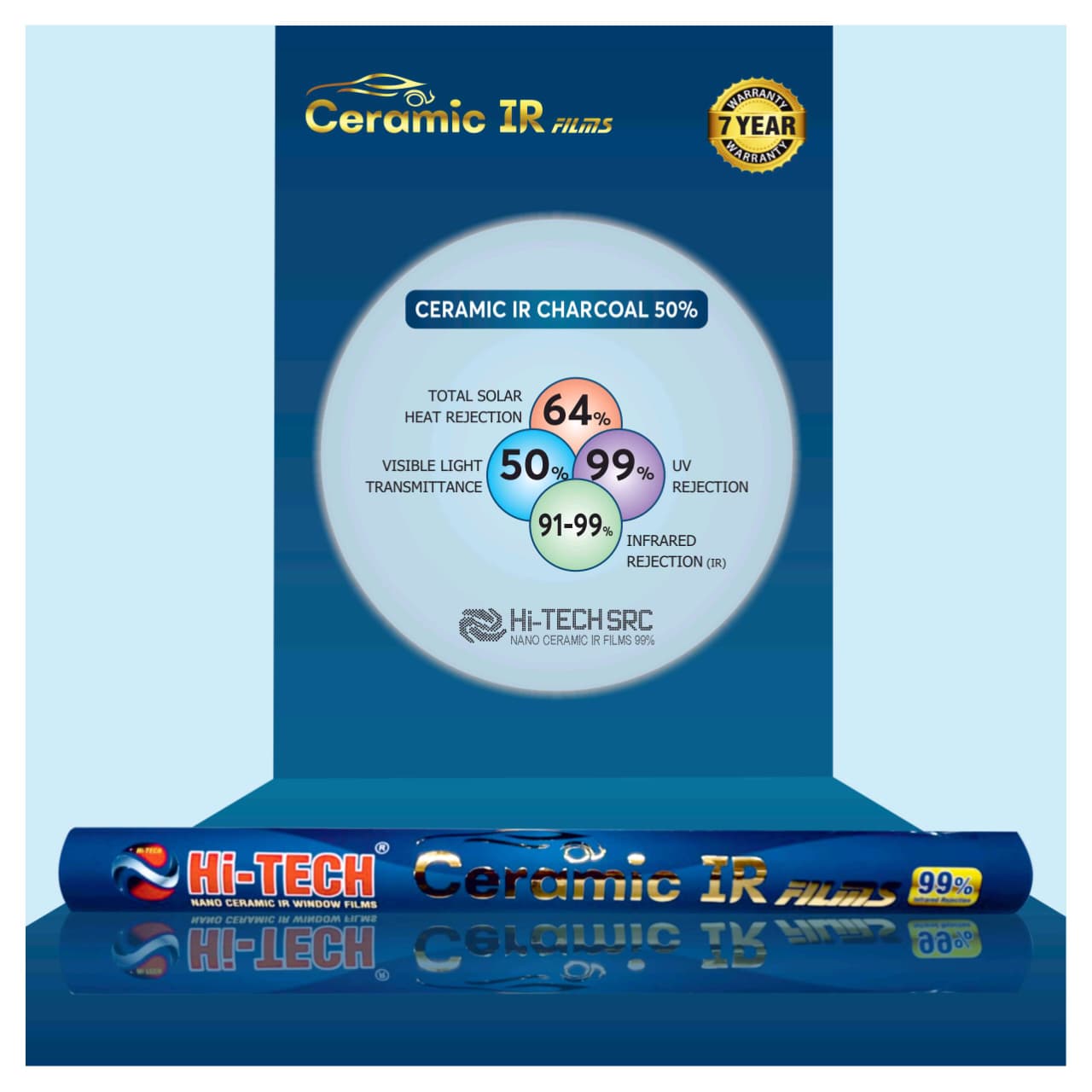
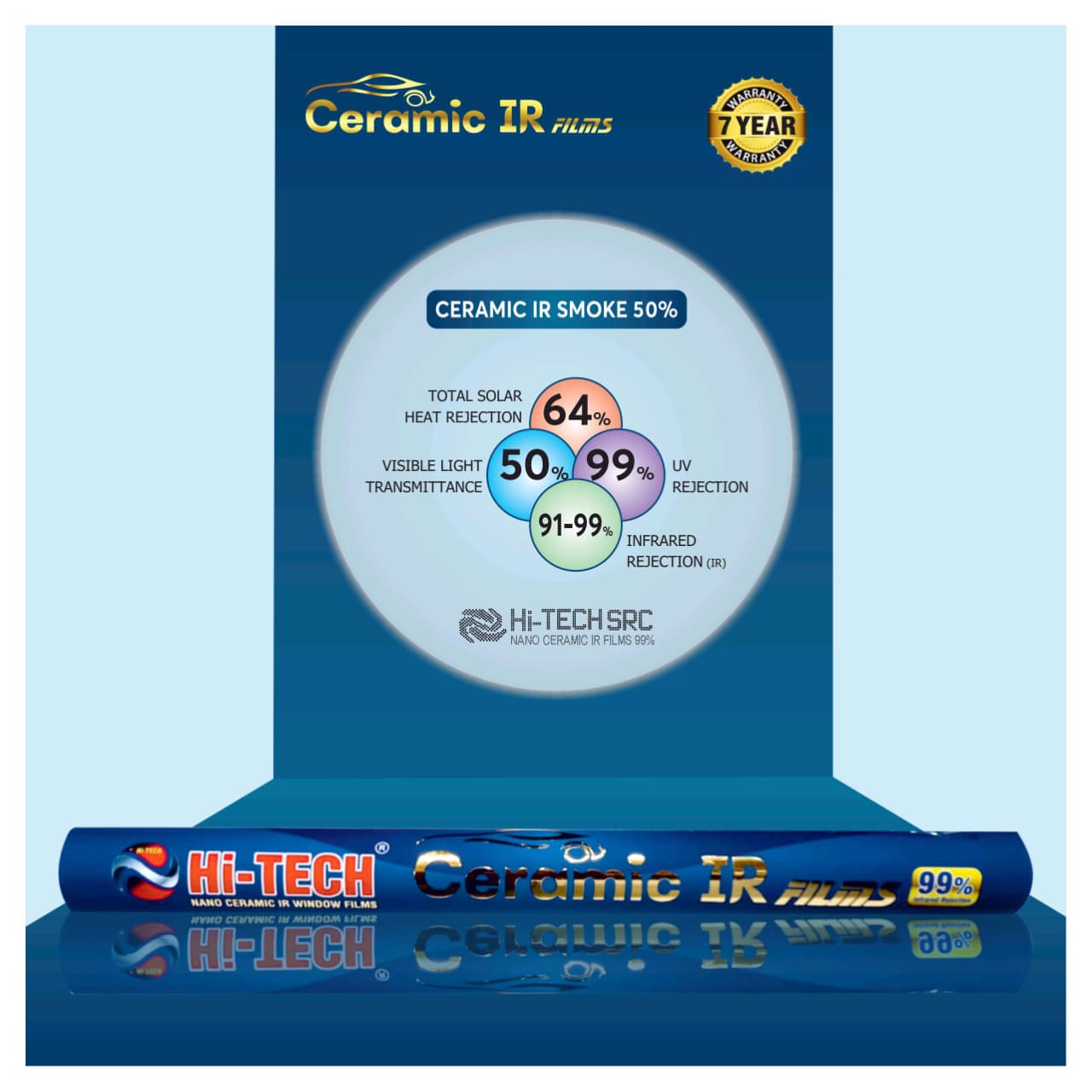
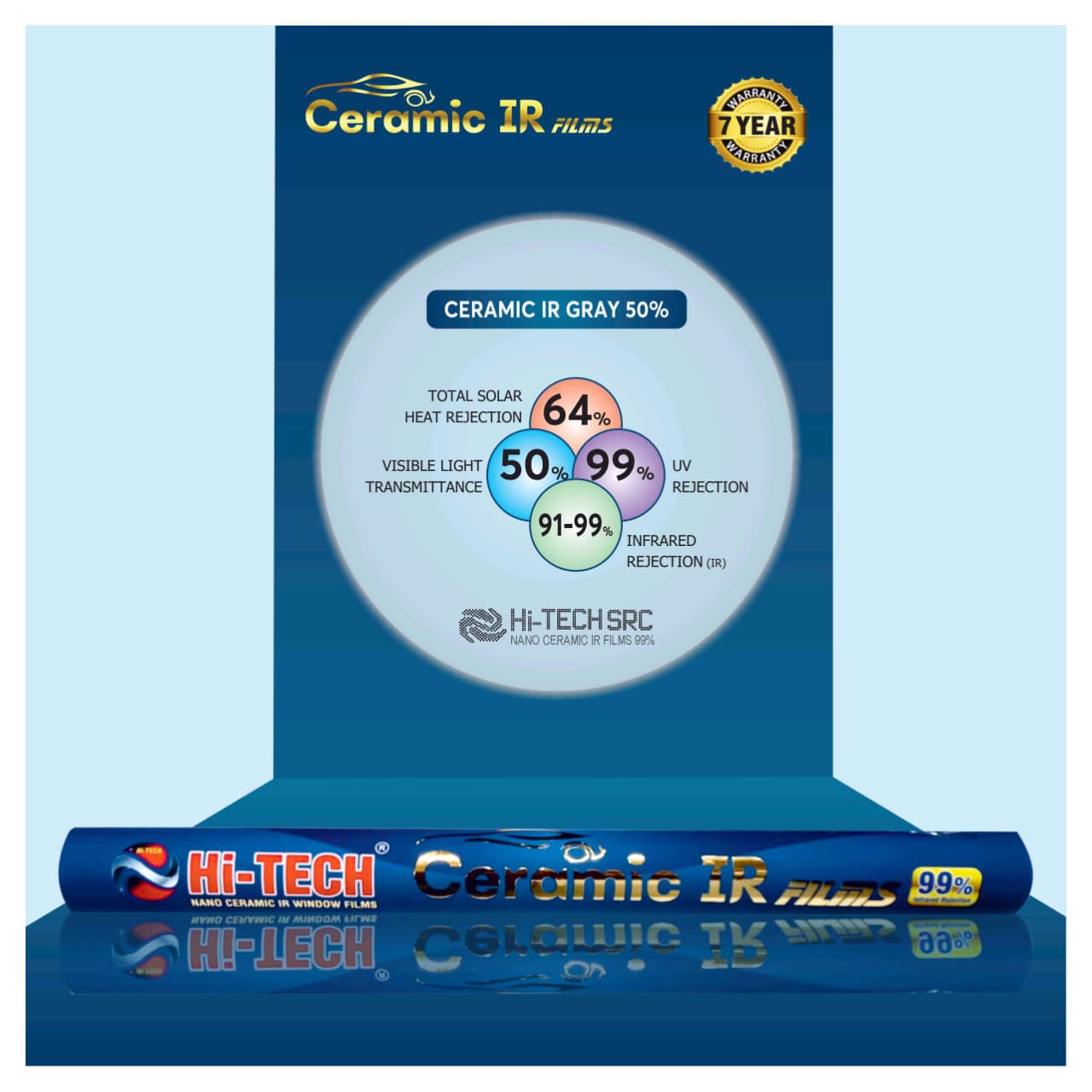
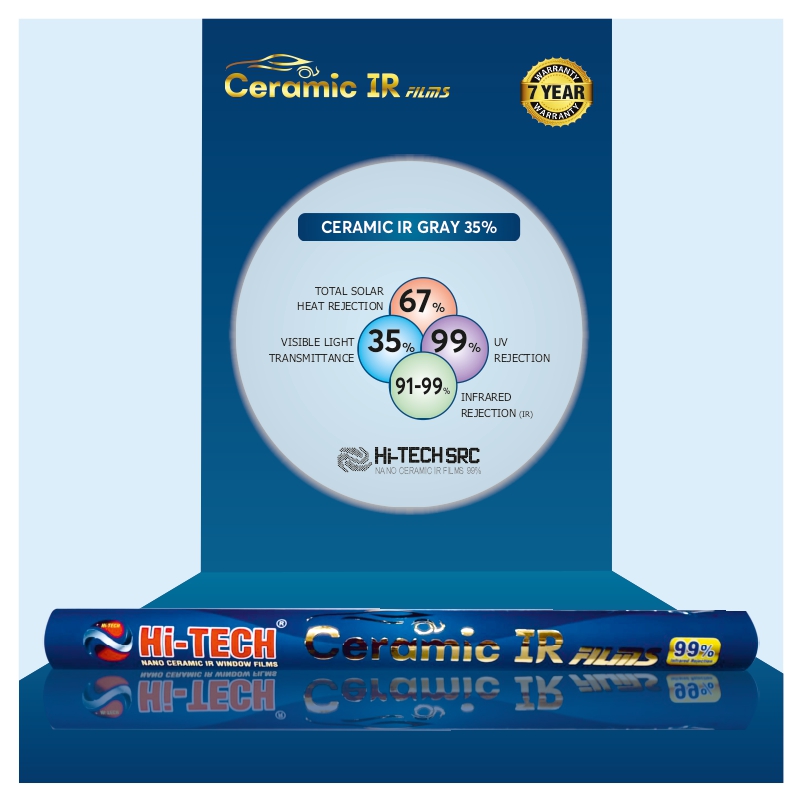
is designed to deliver strong infrared rejection and clarity, making it suitable for extreme summer conditions.
Final Takeaway
The best window film for heat is not the darkest—it’s the most efficient at blocking infrared energy.
If your goal is real comfort, focus on technology and performance, not just appearance.
FAQs
Which window film blocks the most heat?
Films with high infrared rejection and TSER ratings.
Is dark tint better for heat reduction?
No, heat rejection depends on technology, not darkness.
Does nano ceramic film reduce heat effectively?
Yes, it’s one of the most efficient options available.
Will window film help in extreme summers?
Yes, if it’s designed for high heat rejection.