Description

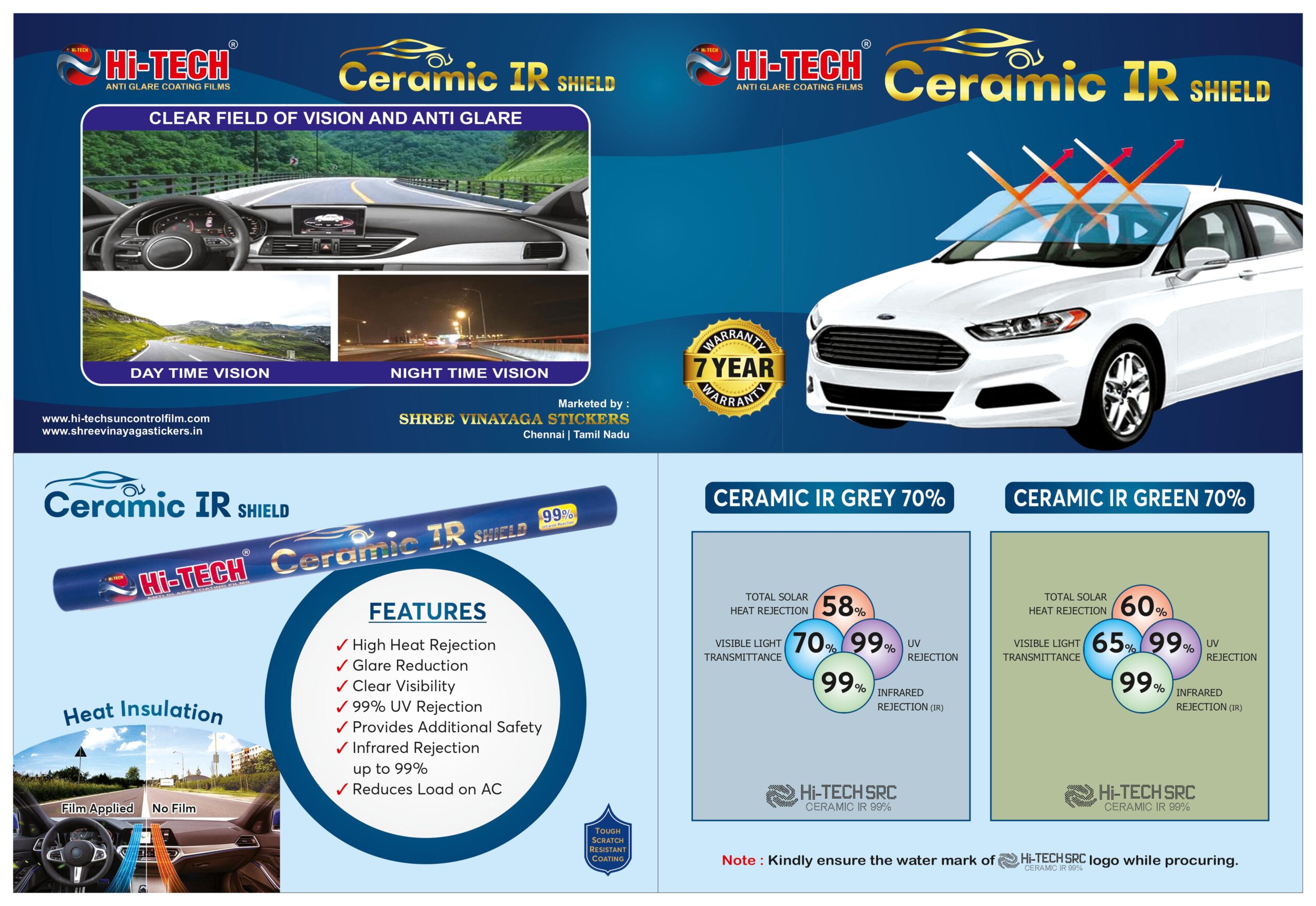
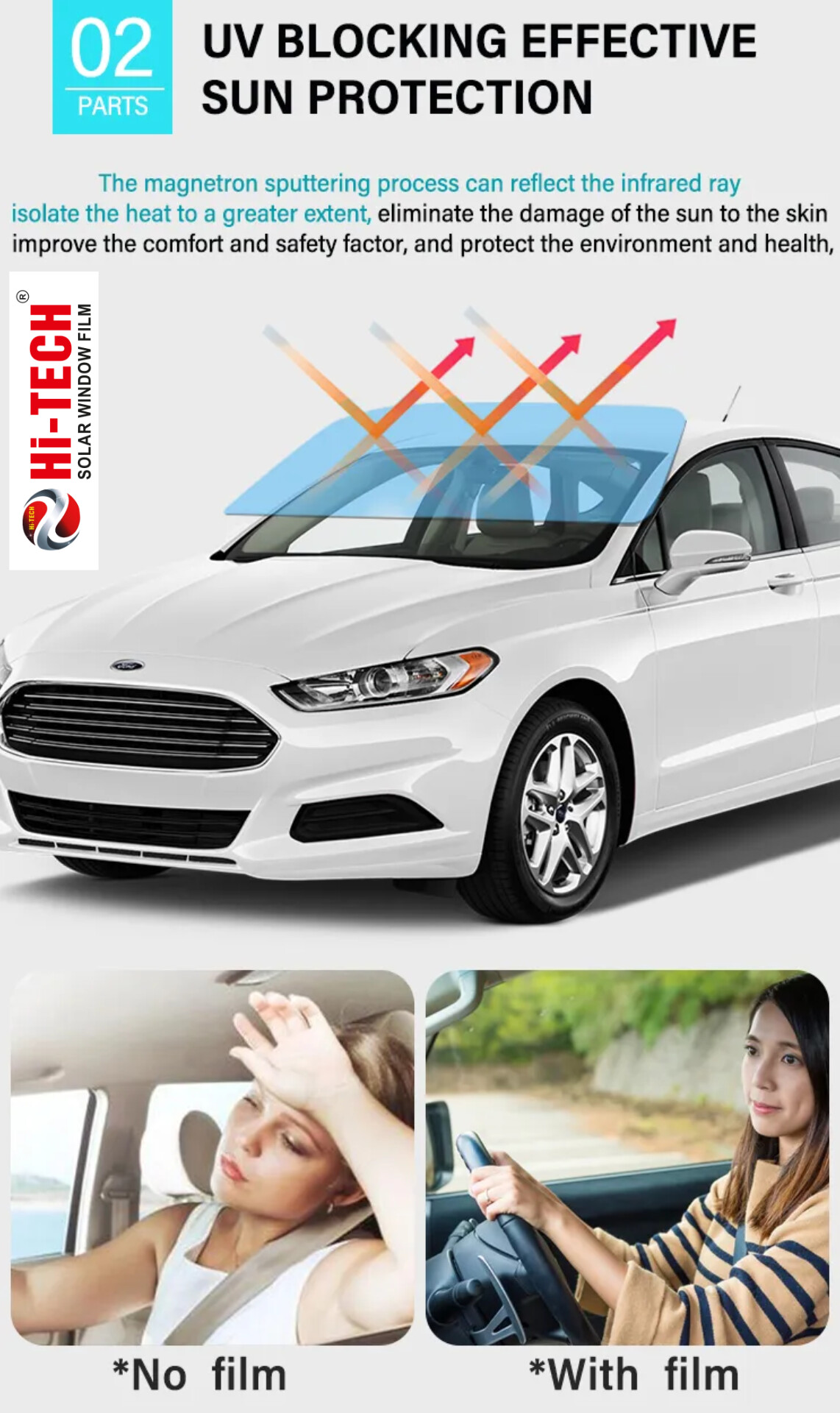
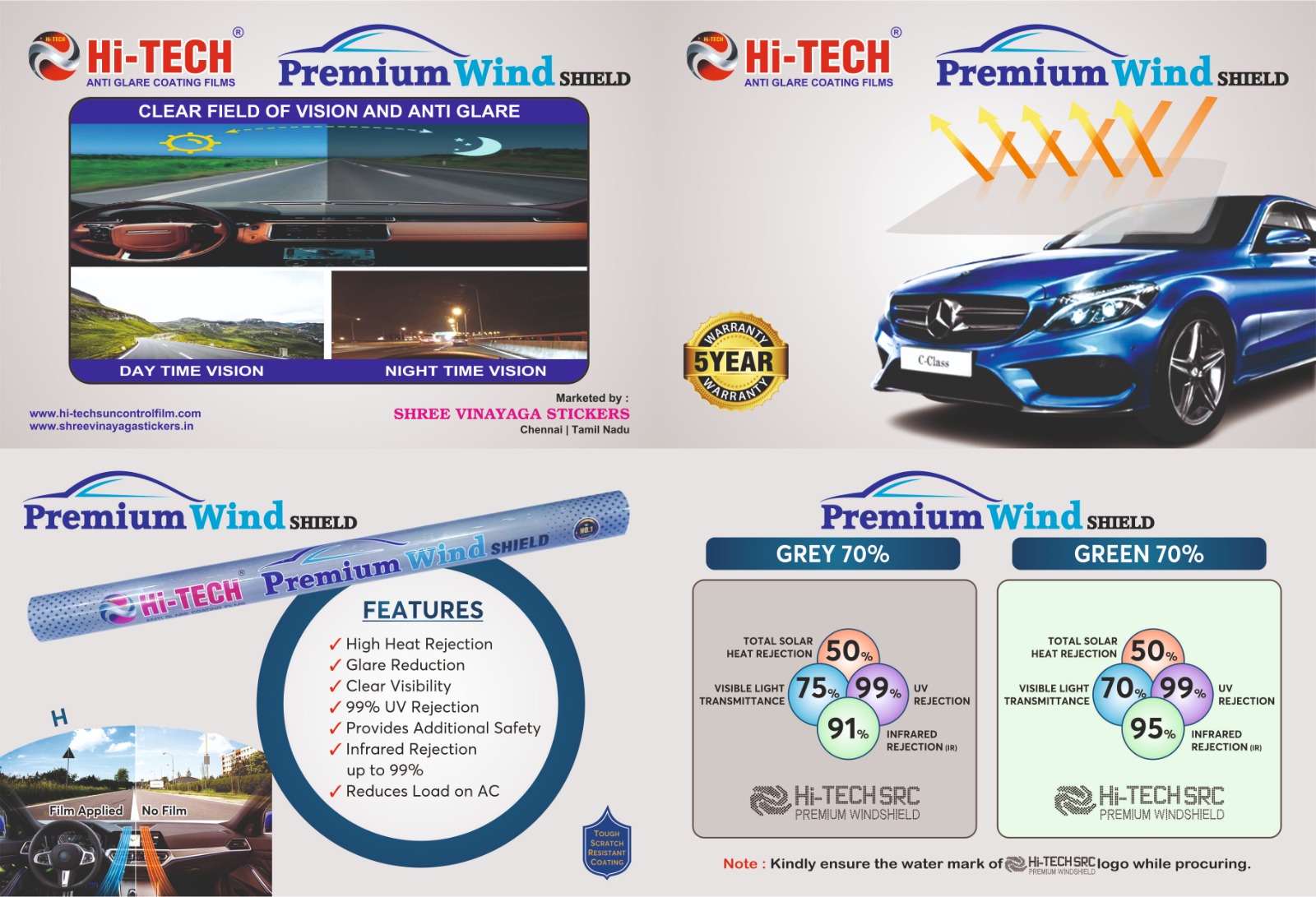
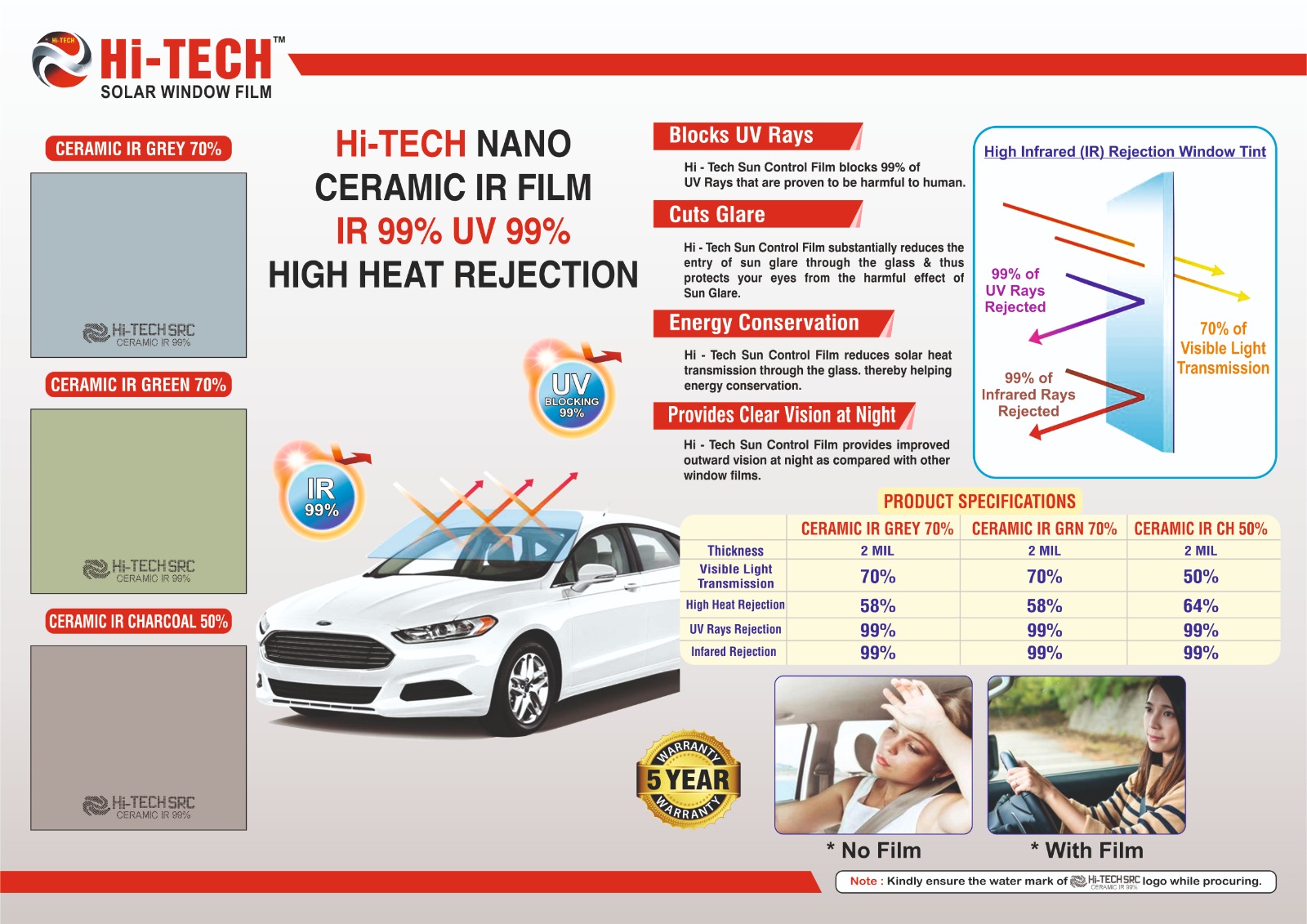
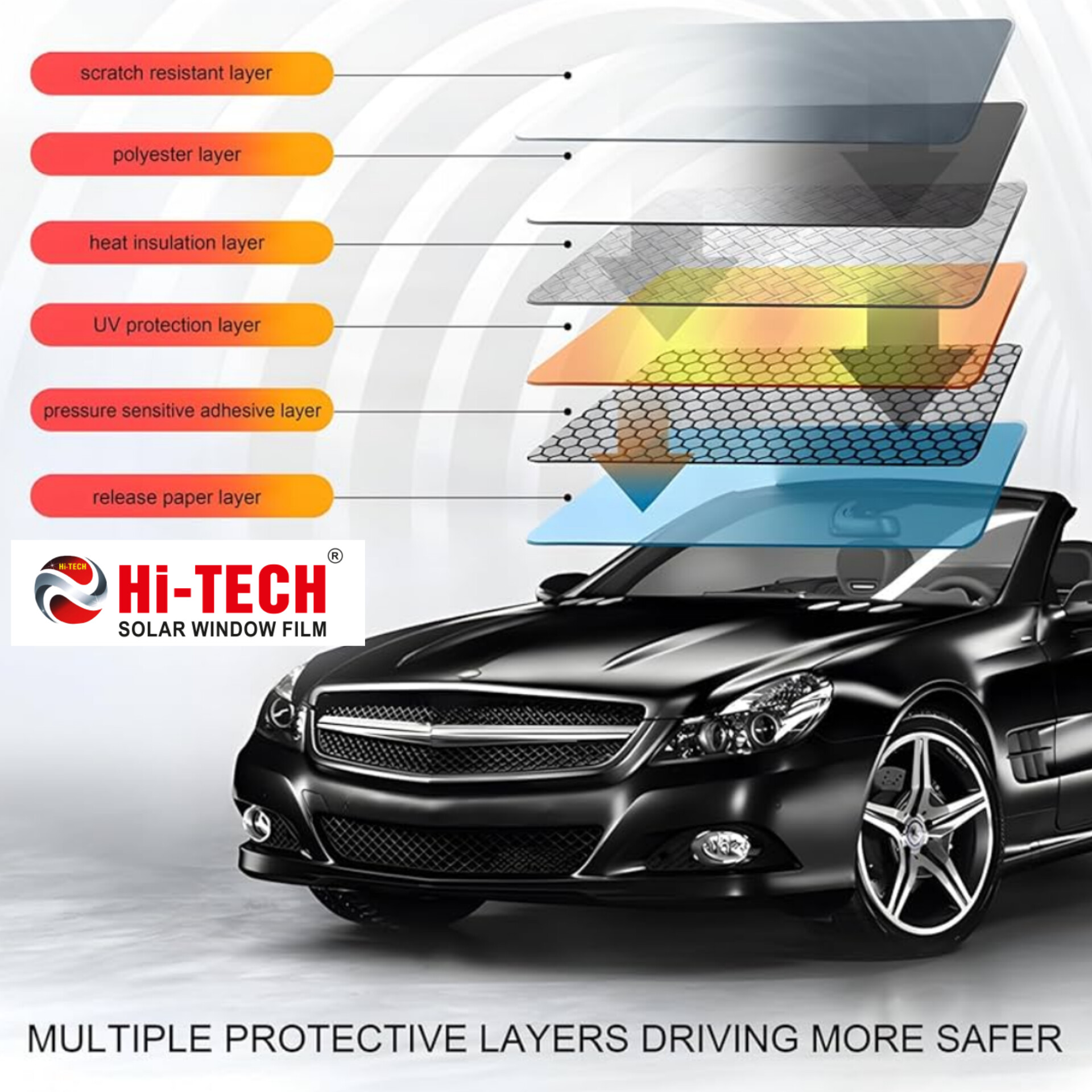
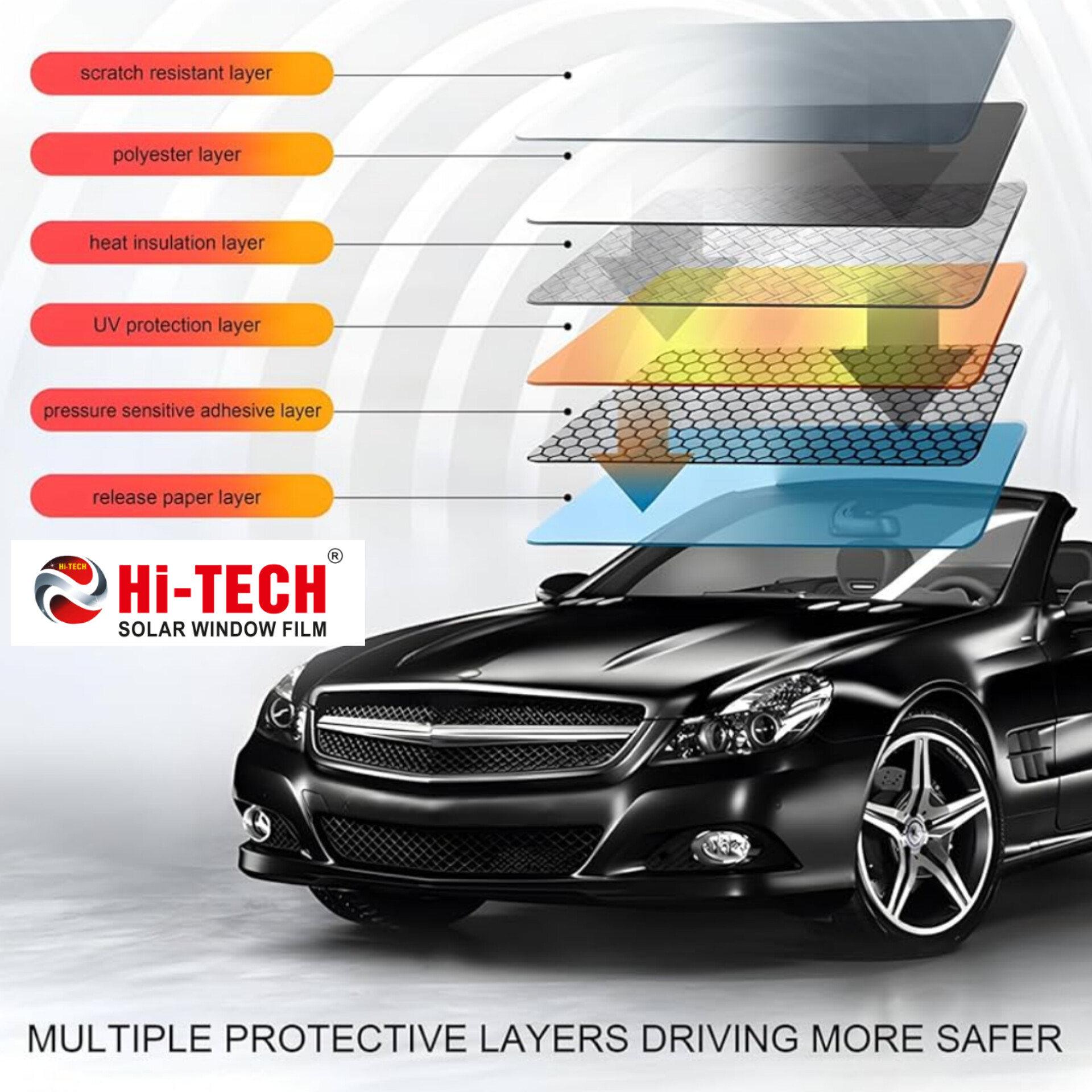
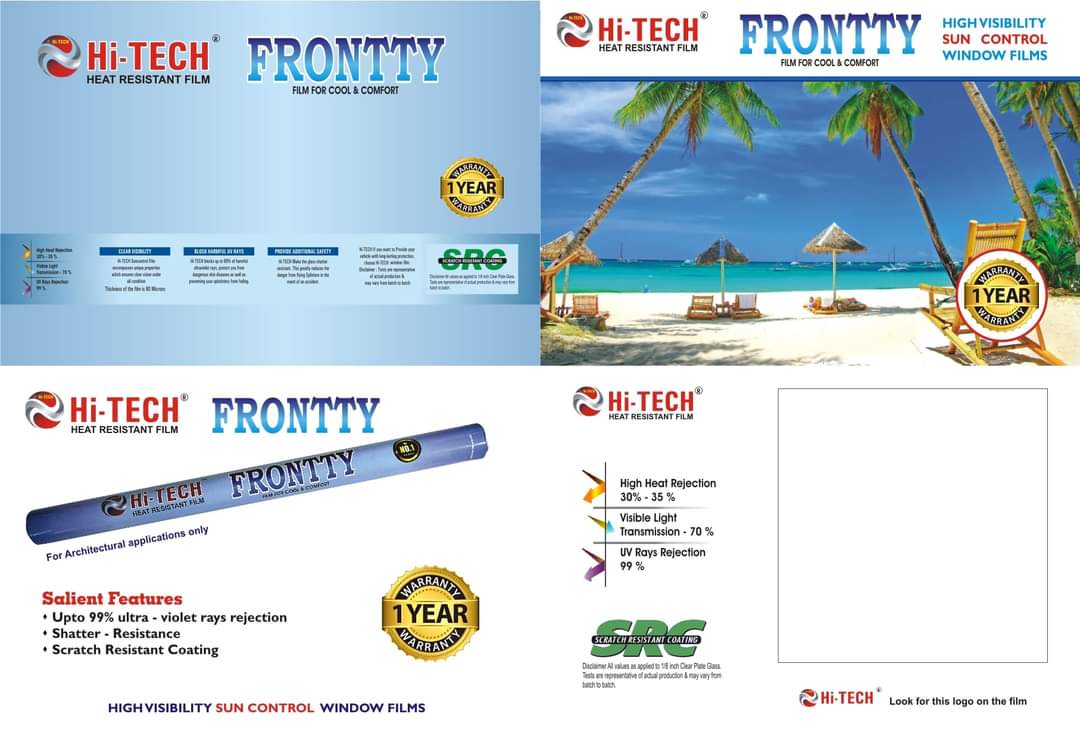
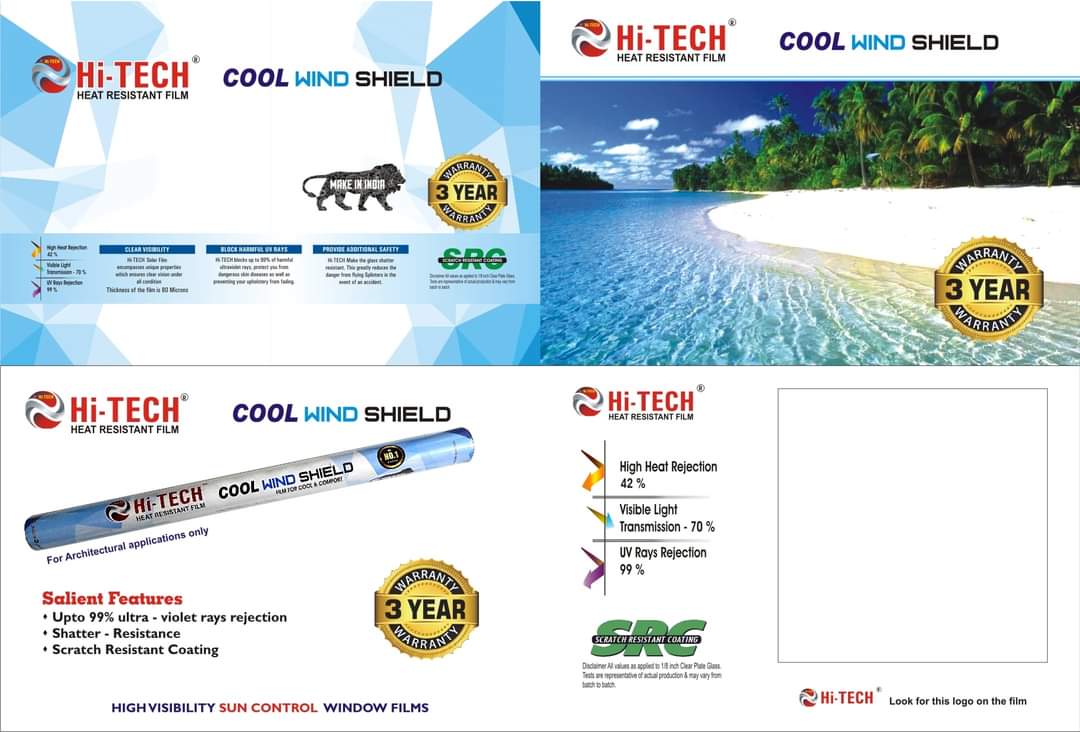
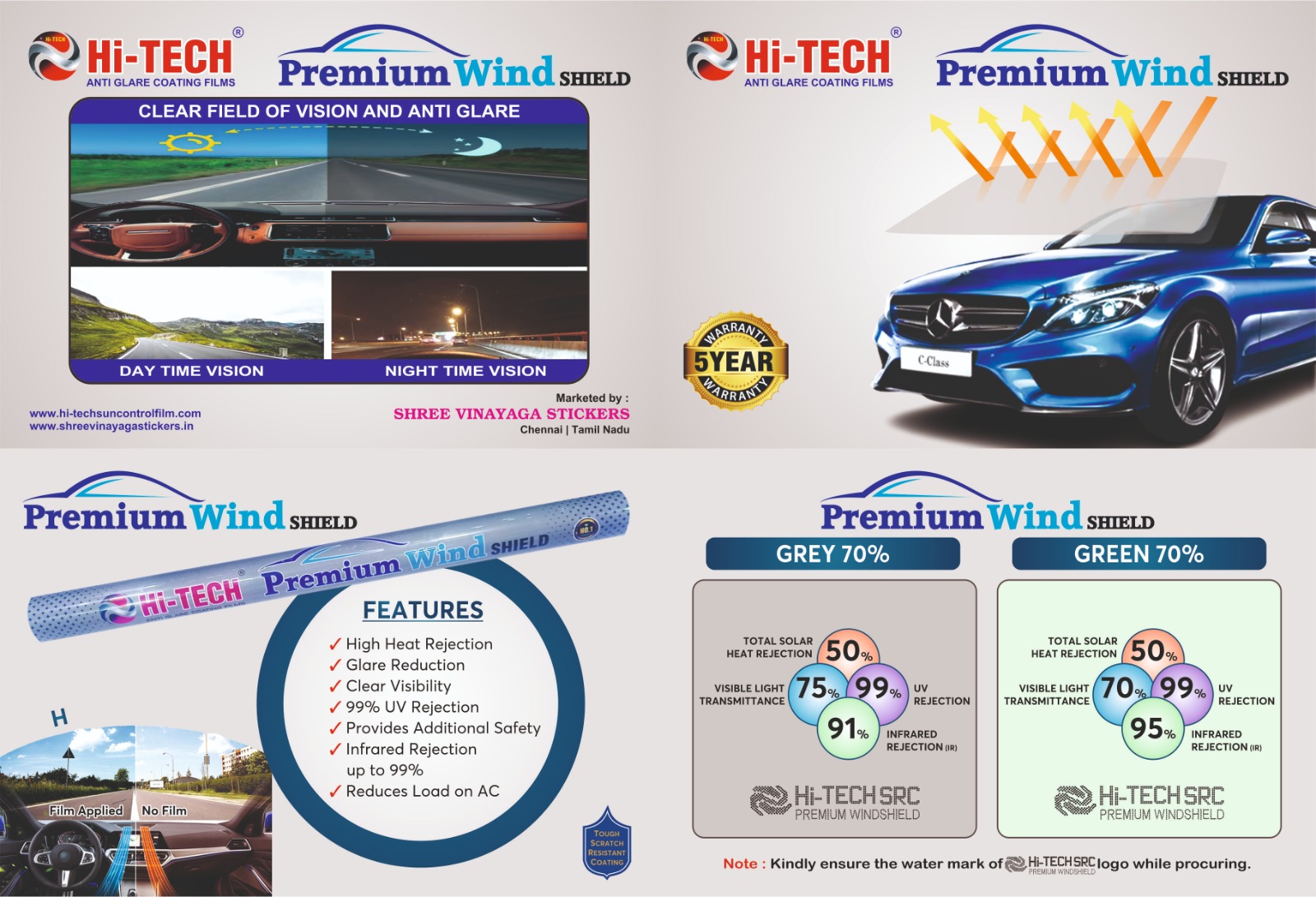
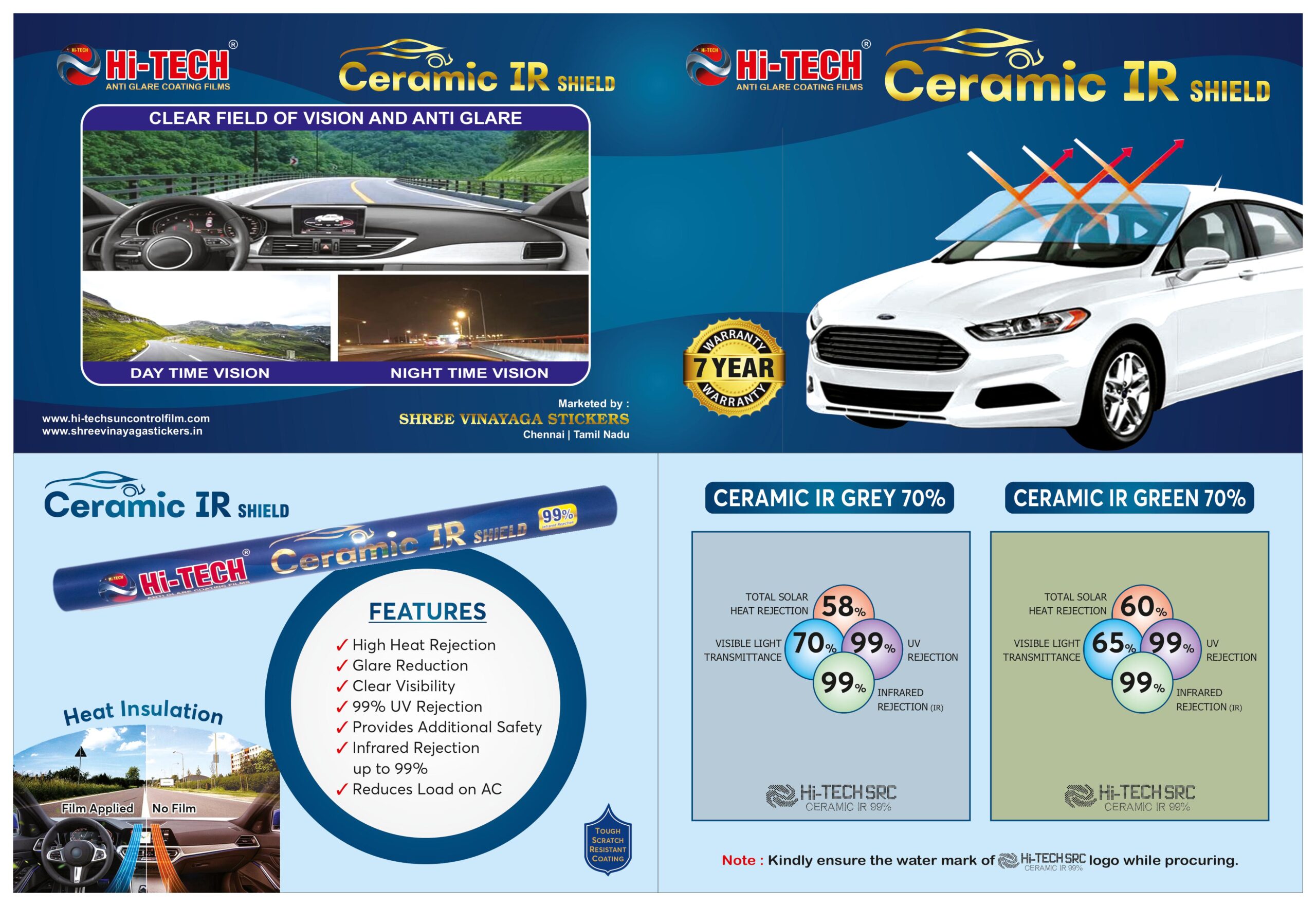
Car windshield film, also known as sun control or window tint, is a thin layer applied to glass to reduce heat, glare, and UV rays, enhancing comfort, safety, and privacy, with types including ceramic and carbon films, available in various VLT (Visible Light Transmission) percentages, with regulations (like India's 70% front VLT rule) often applying. It protects interiors, improves AC efficiency, and adds shatter resistance, with popular brands like 3M and Garware offering high-performance options. Types & Materials Ceramic Film: High-tech, excellent heat rejection, no signal interference, often pricier. Carbon Film: Good performance, durable, often a mid-range option. Polyester Film: Standard, cost-effective solar control. Protective Film (PPF): Clear film for scratch/chip protection, not primarily for tint. Key Benefits Heat & Glare Reduction: Makes driving more comfortable, reduces AC load. UV Protection: Blocks up to 99.9% of UV rays, preventing interior fading. Enhanced Safety: Holds glass together if shattered, deters break-ins. Privacy: Prevents outsiders from seeing in. Aesthetics: Improves vehicle look with various shades. Legal Considerations (India Example) VLT Rules: In India, the Supreme Court mandates minimum Visible Light Transmission (VLT) for visibility, typically 70% for front/rear windshields and 50% for side windows to stay RTO-compliant. This video explains the benefits of windshield protection film:
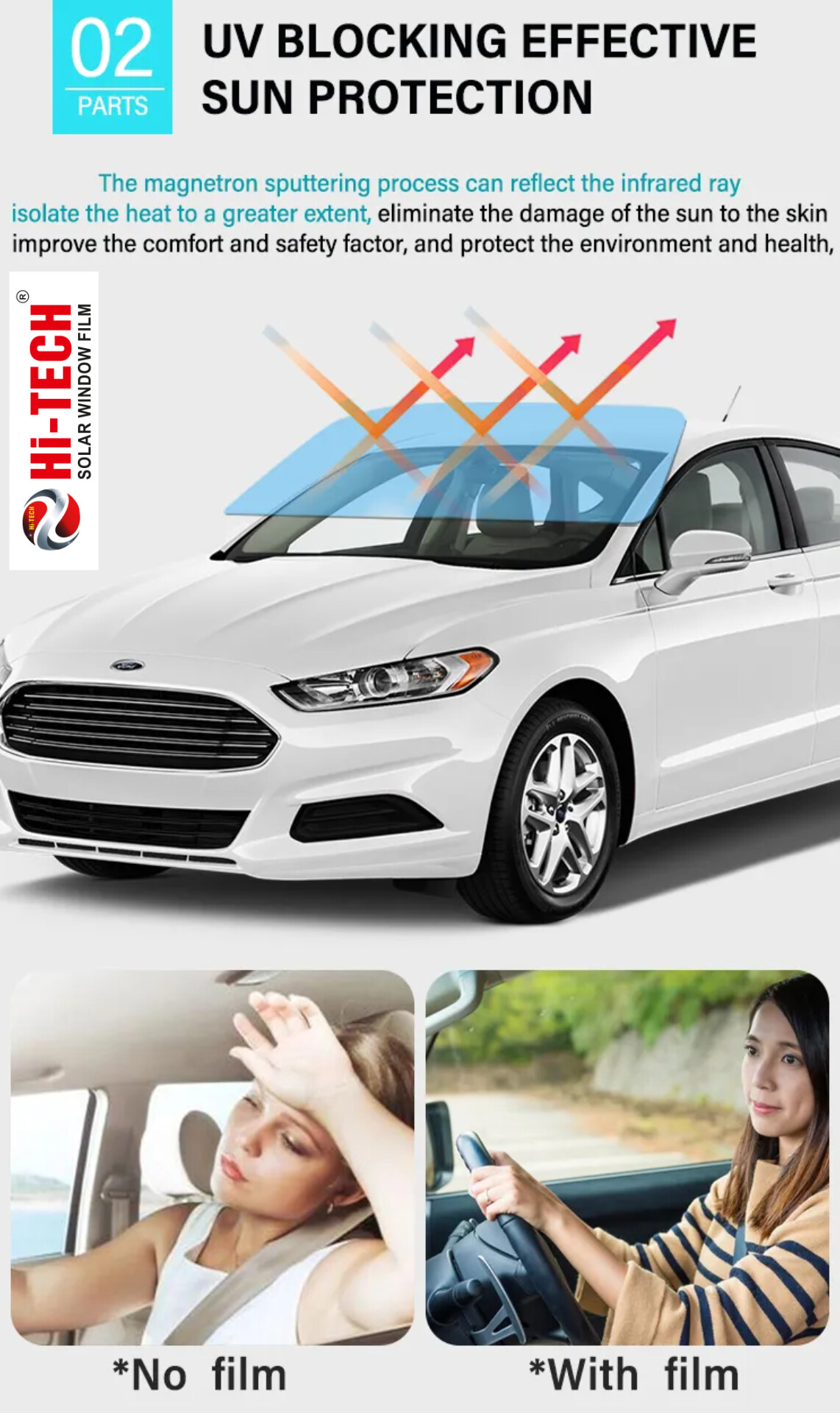
Car windshield film, also known as sun control or window tint, is a thin layer applied to glass to reduce heat, glare, and UV rays, enhancing comfort, safety, and privacy, with types including ceramic and carbon films, available in various VLT (Visible Light Transmission) percentages, with regulations (like India’s 70% front VLT rule) often applying. It protects interiors, improves AC efficiency, and adds shatter resistance, with popular brands like 3M and Garware offering high-performance options.
Types & Materials
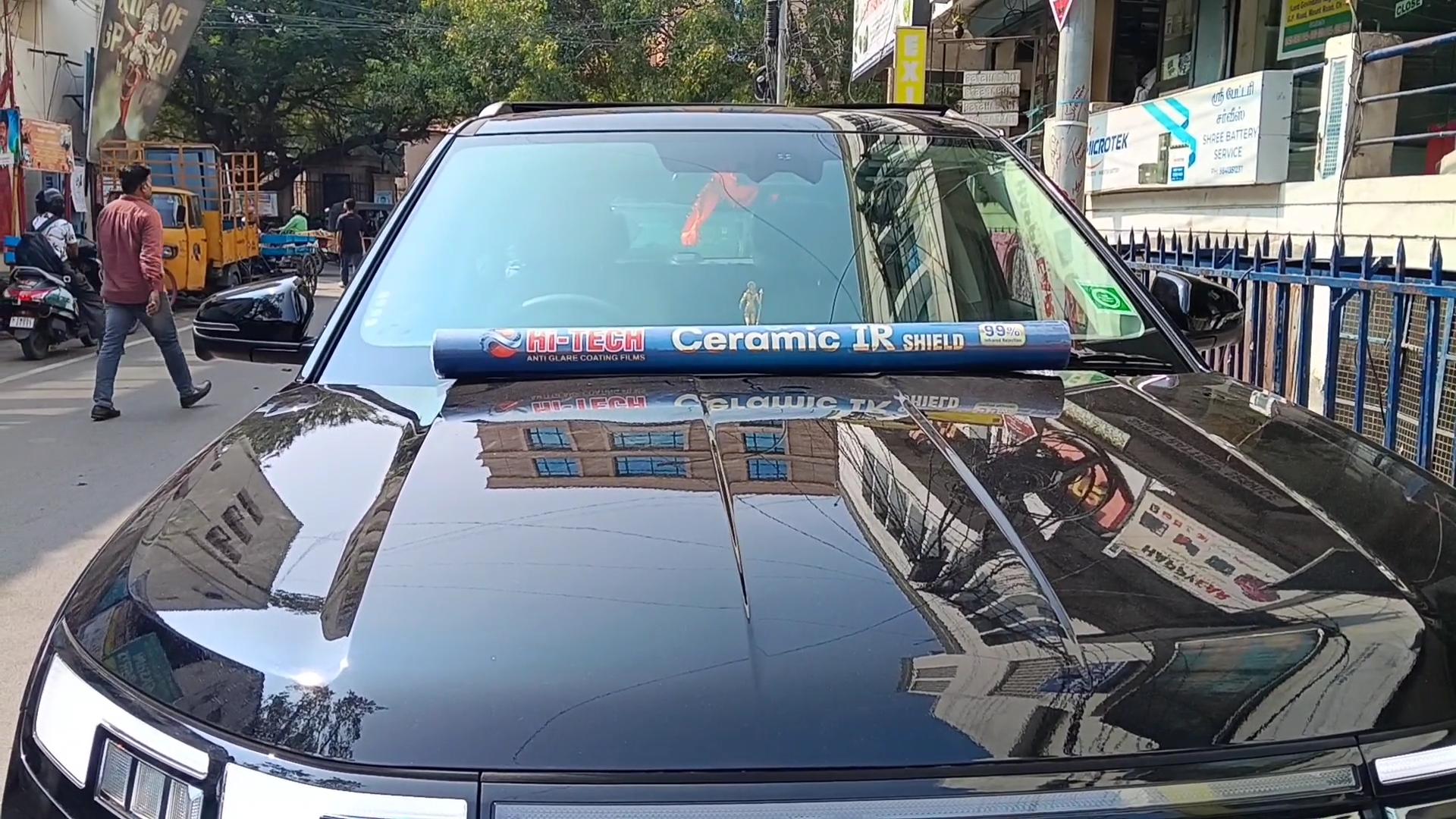
Ceramic Film: High-tech, excellent heat rejection, no signal interference, often pricier.
Carbon Film: Good performance, durable, often a mid-range option.
Polyester Film: Standard, cost-effective solar control.
Protective Film (PPF): Clear film for scratch/chip protection, not primarily for tint.
Key Benefits
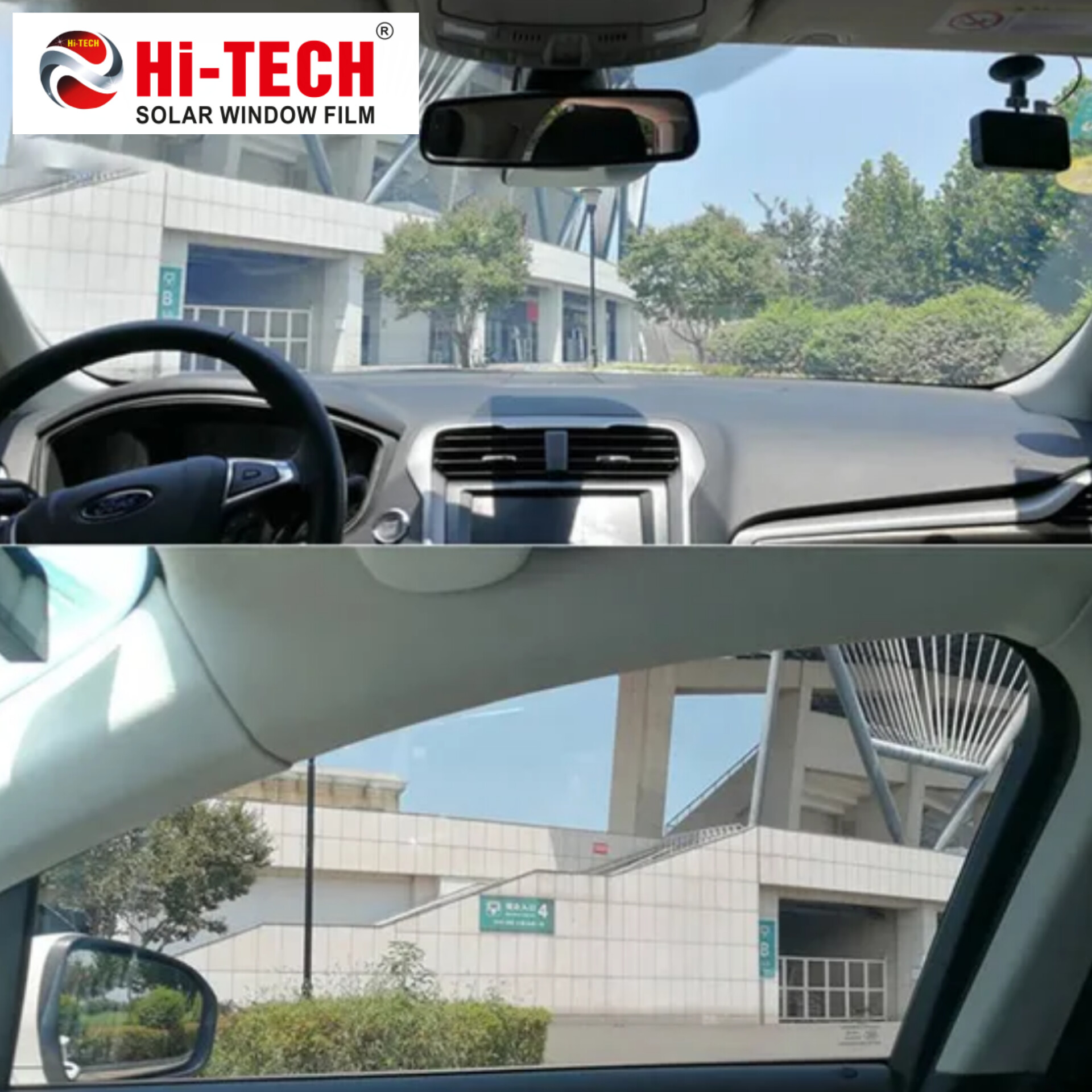
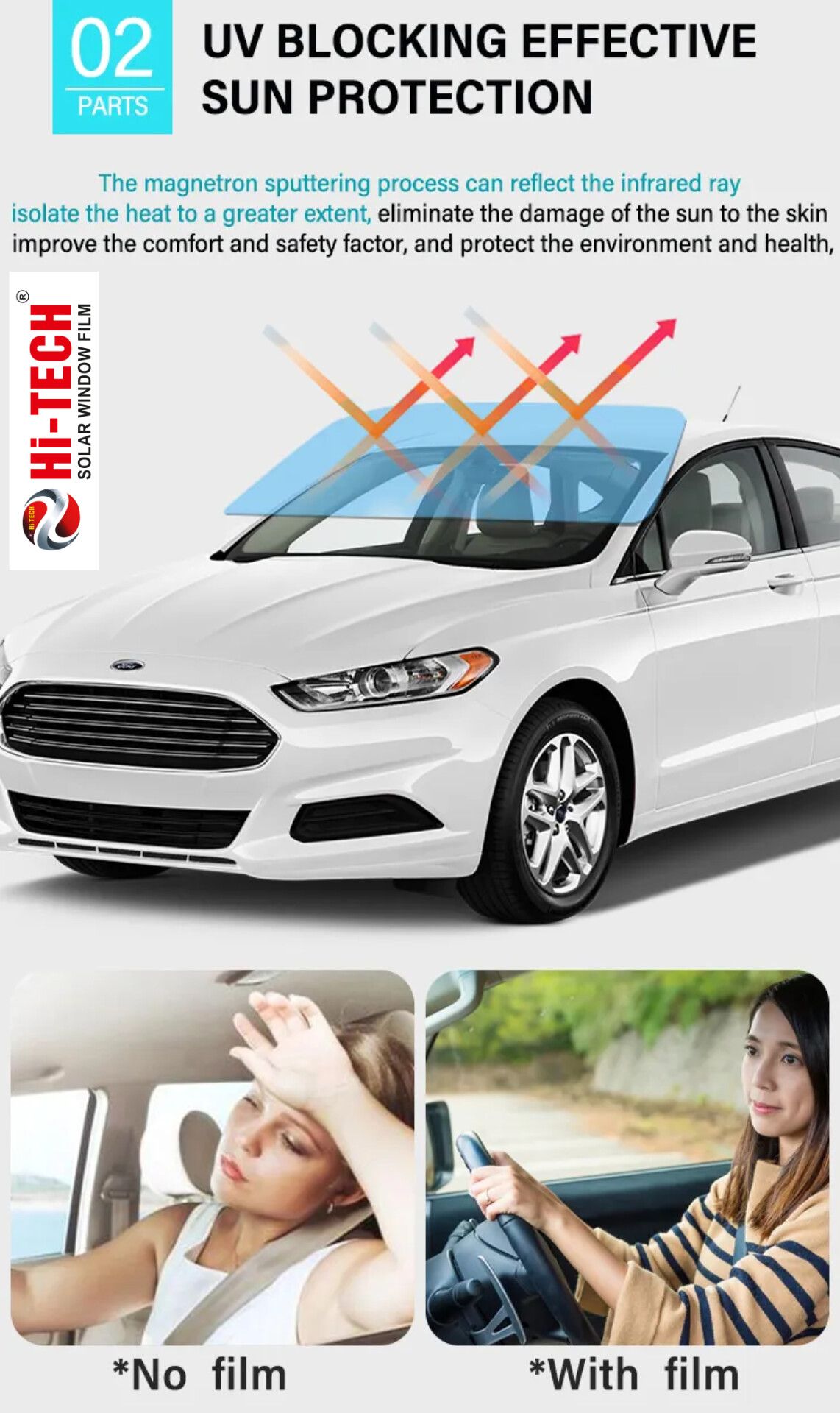
Heat & Glare Reduction: Makes driving more comfortable, reduces AC load.
UV Protection: Blocks up to 99.9% of UV rays, preventing interior fading.
Enhanced Safety: Holds glass together if shattered, deters break-ins.
Privacy: Prevents outsiders from seeing in.
Aesthetics: Improves vehicle look with various shades.
Legal Considerations (India Example)
VLT Rules: In India, the Supreme Court mandates minimum Visible Light Transmission (VLT) for visibility, typically 70% for front/rear windshields and 50% for side windows to stay RTO-compliant.
This video explains the benefits of windshield protection film:

Enquire Now

Get Quote