Description
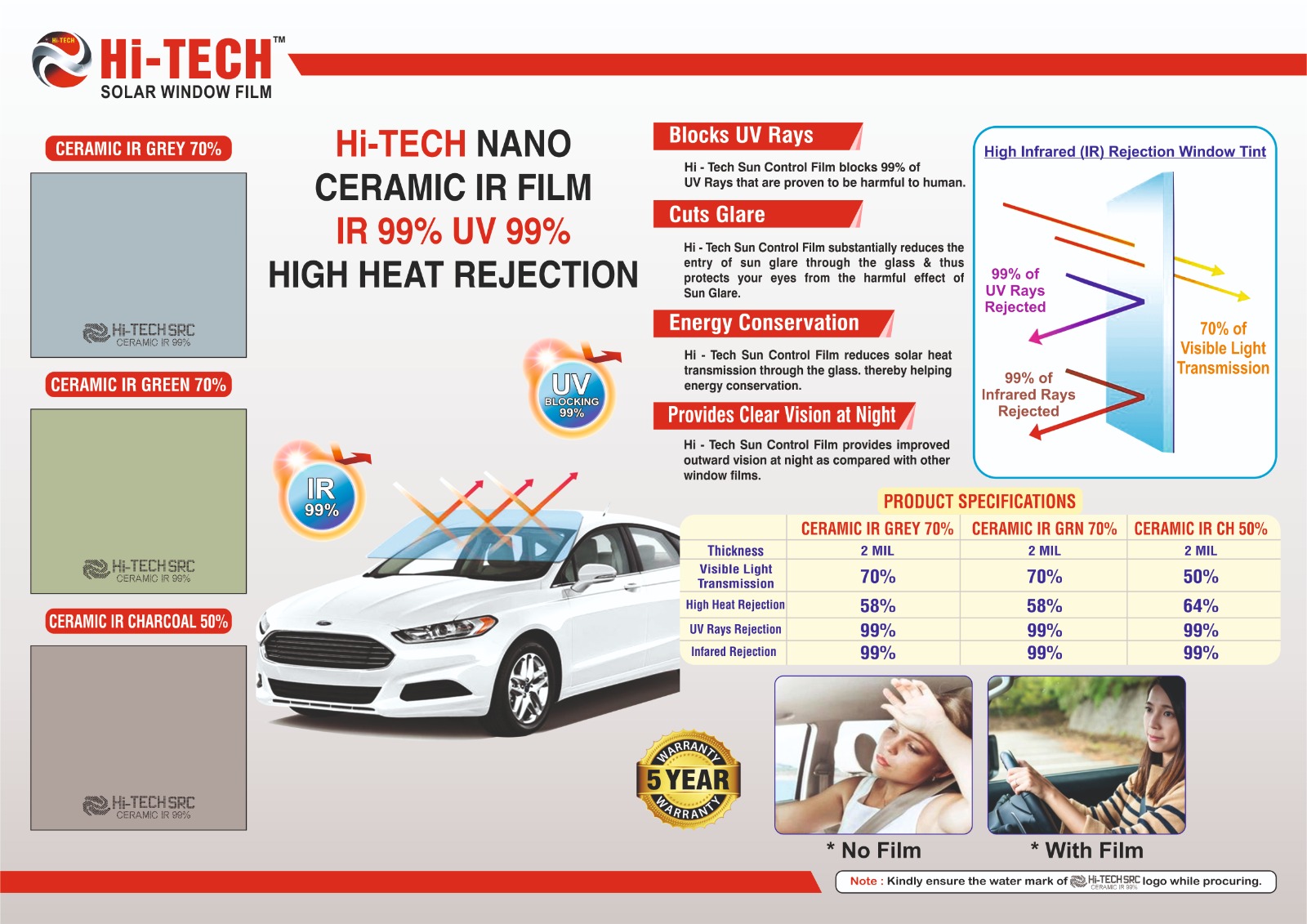
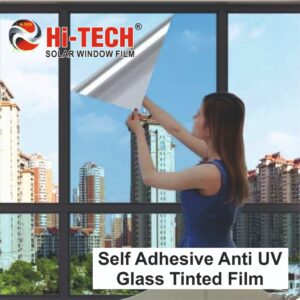
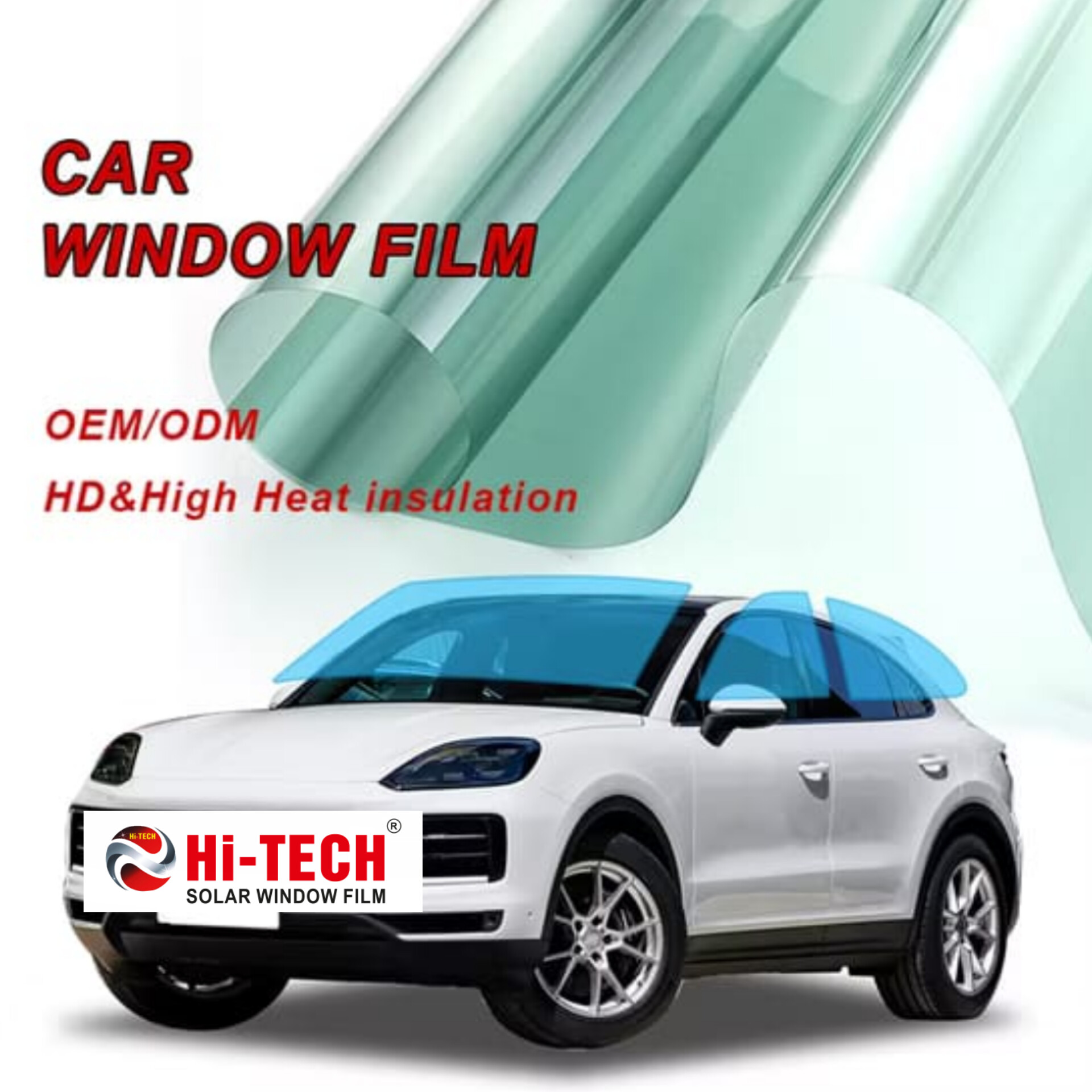
Nano ceramic IR films are advanced window tints using nano-ceramic particles to block significant amounts of infrared (IR) heat and UV rays while maintaining high visible light transmission (VLT) and clarity, offering superior heat rejection, glare reduction, and signal compatibility (GPS, cellular) compared to traditional tints, making vehicles and buildings cooler and more energy-efficient.
Key Features & Benefits
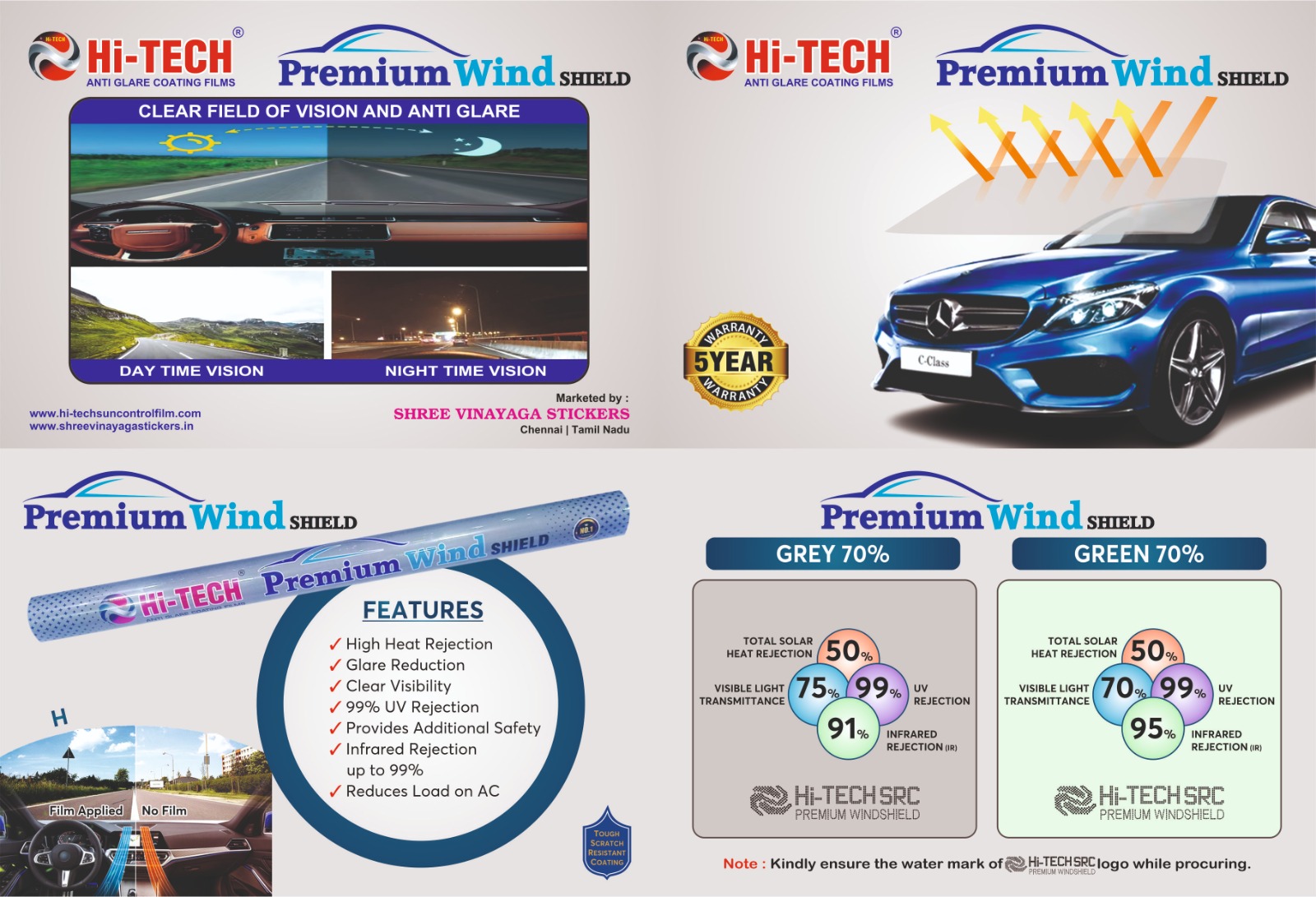
High Heat Rejection: Blocks a large percentage of infrared radiation, the primary source of heat from the sun, keeping interiors cooler.
UV Protection: Blocks nearly 99% of harmful UV rays, protecting occupants and preventing interior fading/cracking.
Signal Friendly: Ceramic materials don’t interfere with electronic signals (GPS, radio, mobile phones), unlike metalized films.
Glare Reduction: Significantly reduces glare for improved driving comfort and visibility.
High Clarity: Offers excellent optical clarity and neutral color, often with high Visible Light Transmission (VLT) options.
Durability: Durable, often with scratch-resistant coatings and long-term color stability.
How They Work
Nano-Ceramic Technology: Tiny ceramic particles are embedded in the film’s layers, selectively absorbing and reflecting infrared energy without adding significant darkness or metal.
Infrared Rejection (IRER): Measures the film’s ability to reject heat from 780-2500nm wavelengths, contributing to thermal comfort.
Applications
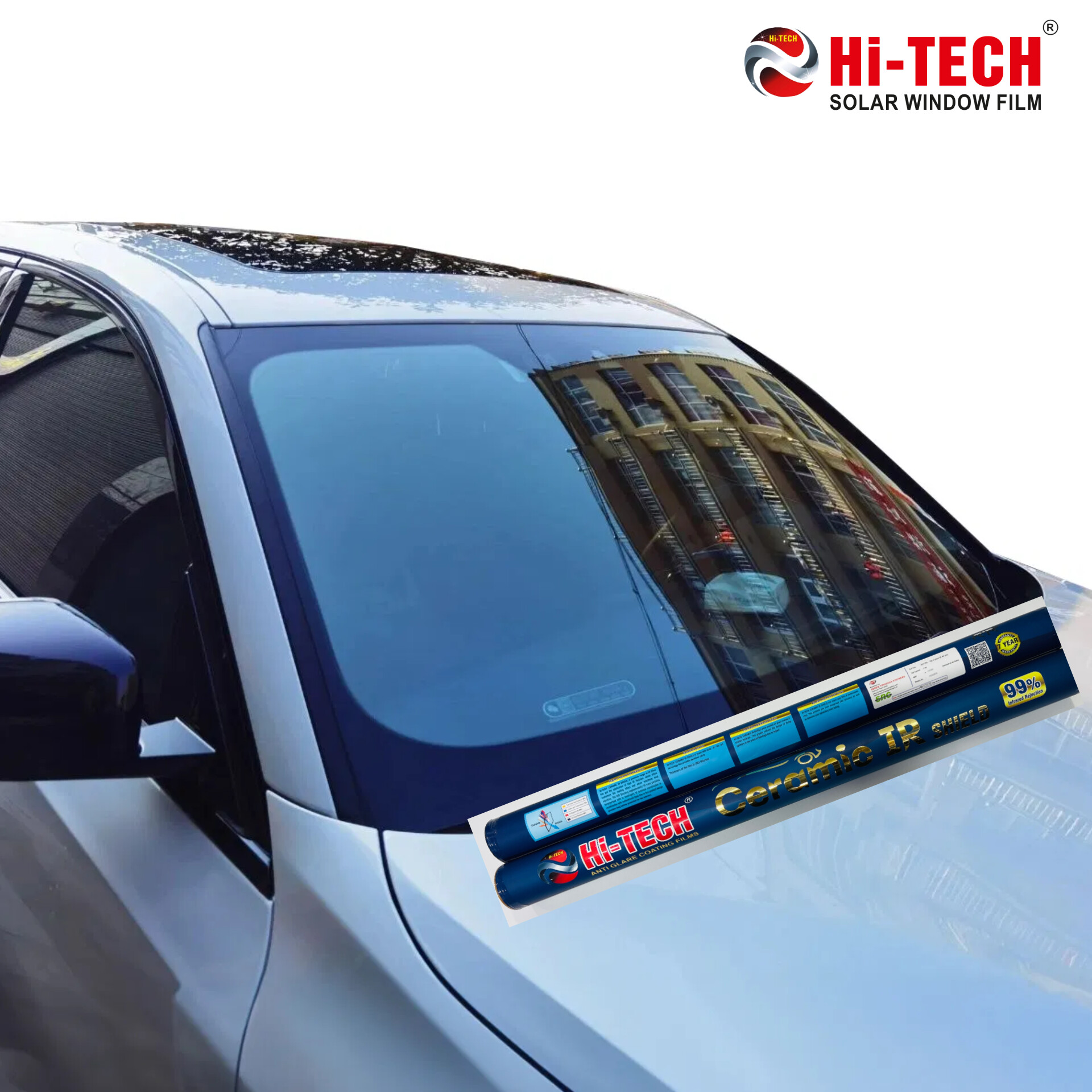
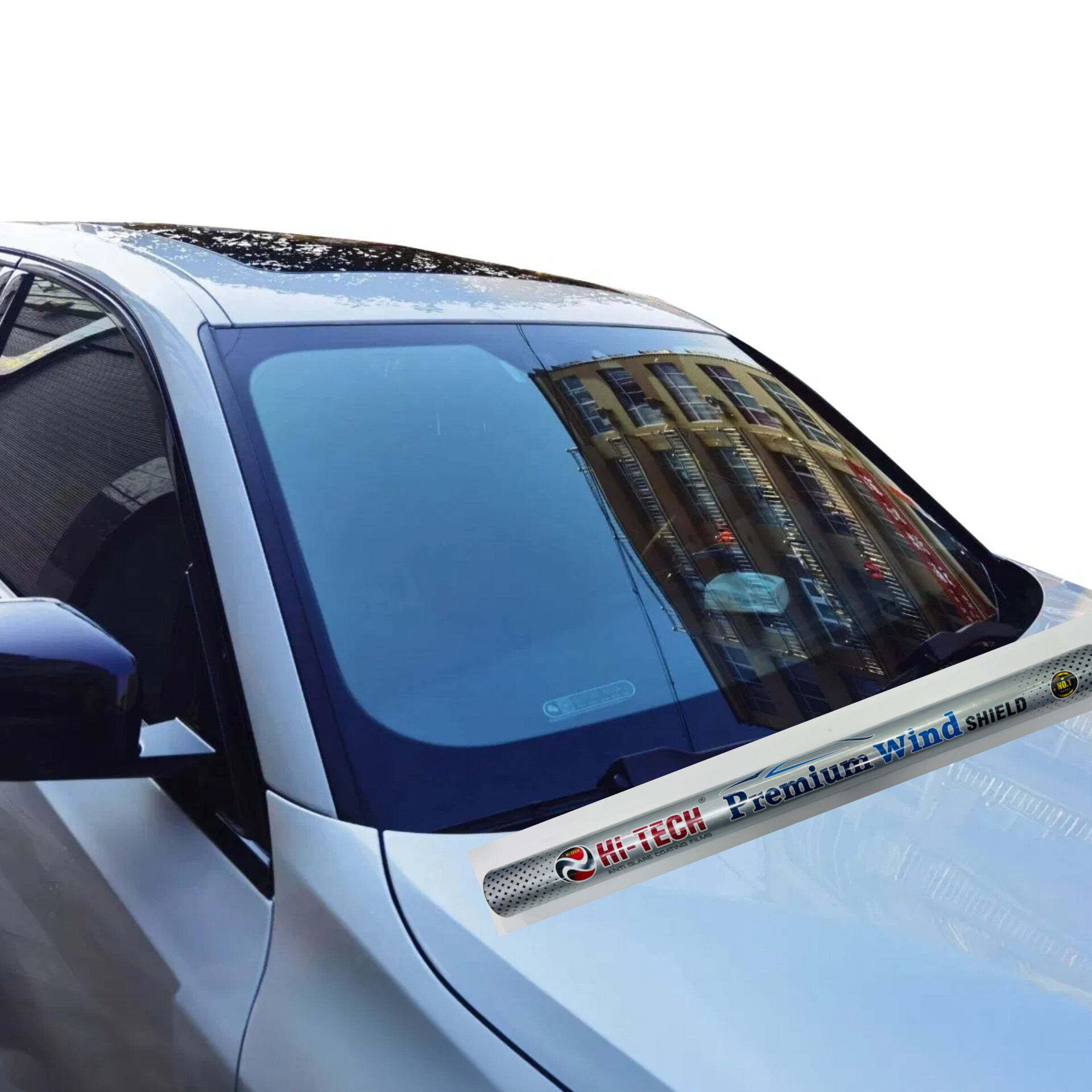
Automotive: Applied to car windshields and windows for heat control, UV protection, and privacy.
Architectural: Used on homes, offices, and buildings for energy savings by reducing air conditioning load.
Examples of Performance Metrics
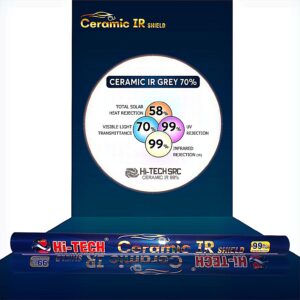
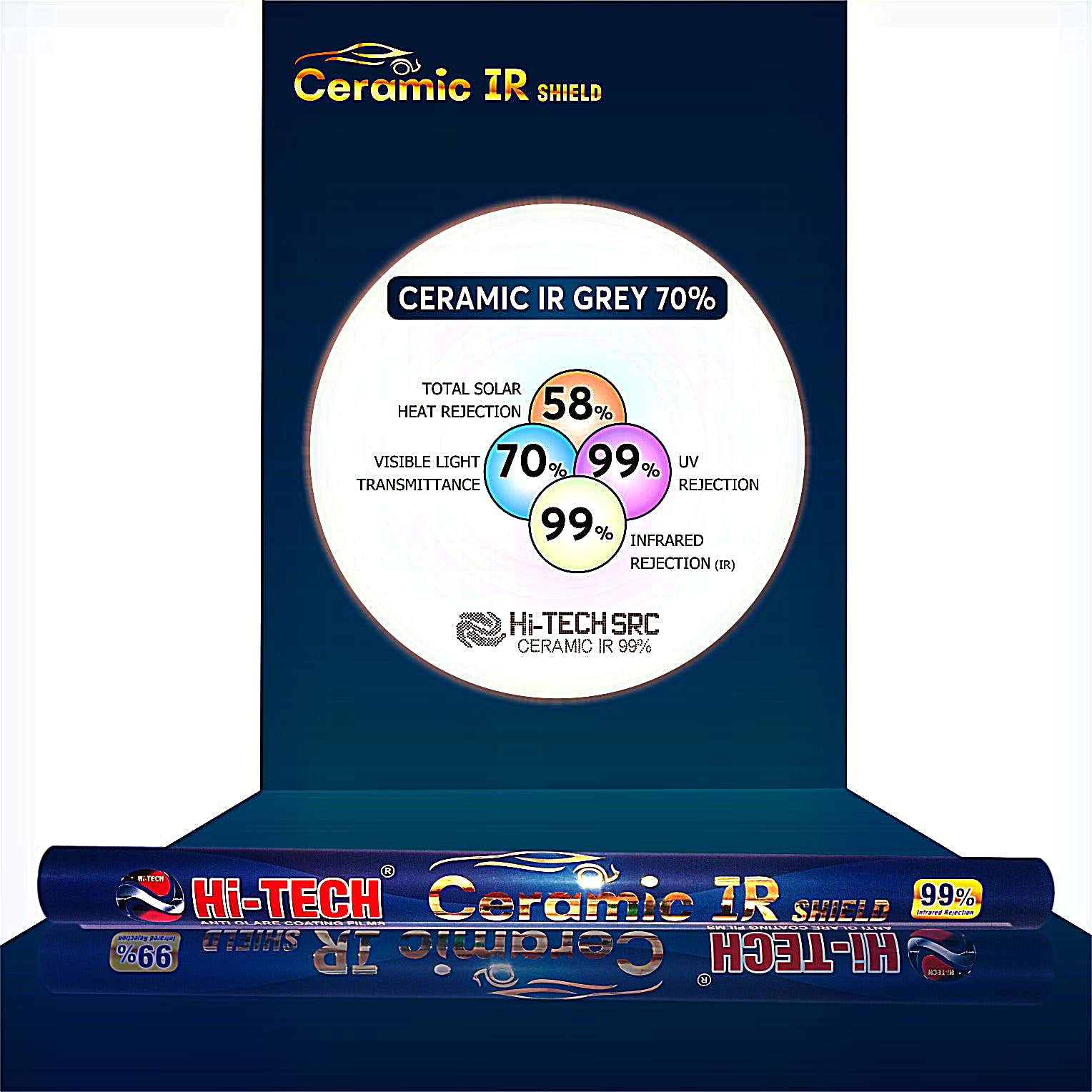
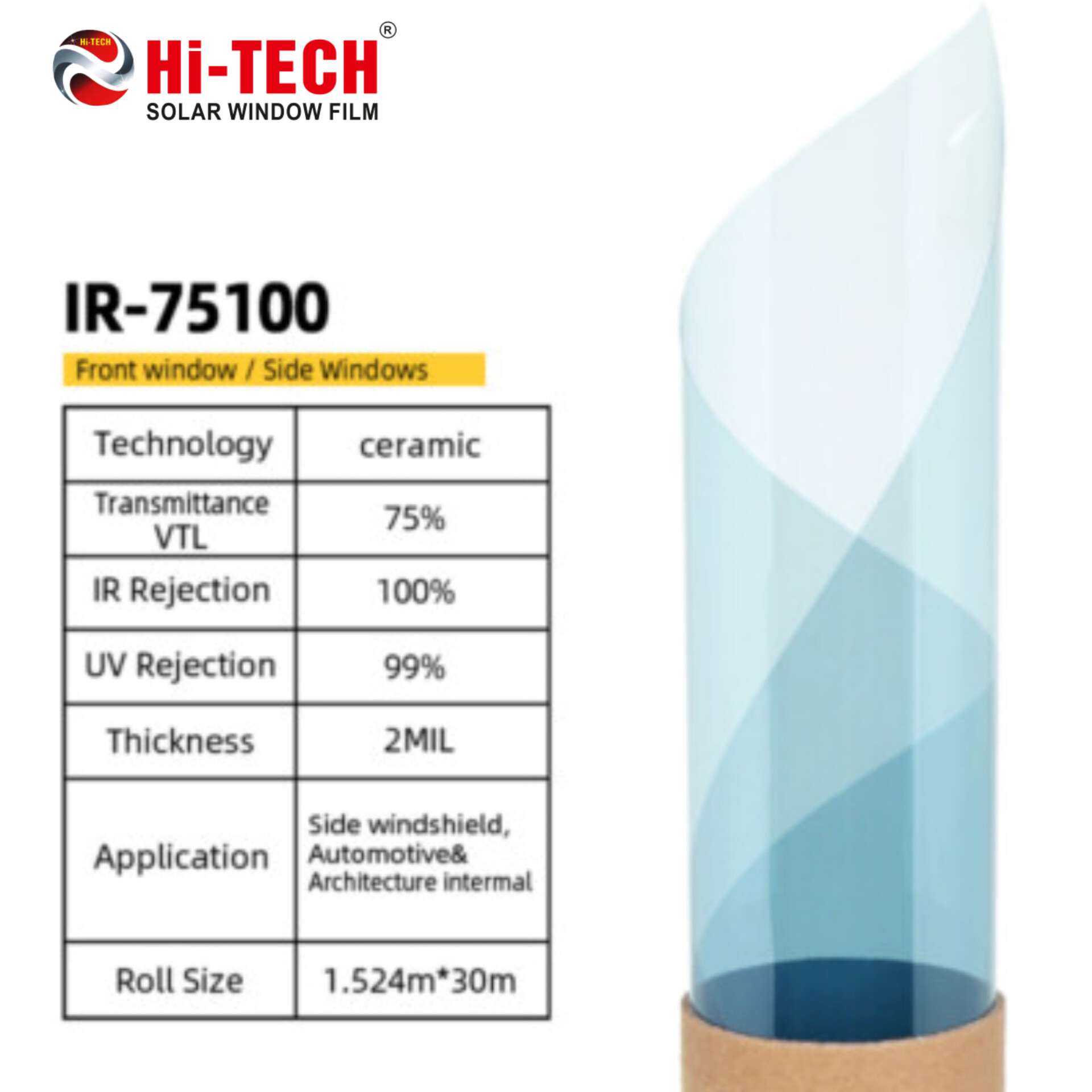
IR Rejection: Can reach up to 99%.
UV Rejection: Typically 99%.
VLT (Visible Light Transmission): Varies from dark (5%) to ne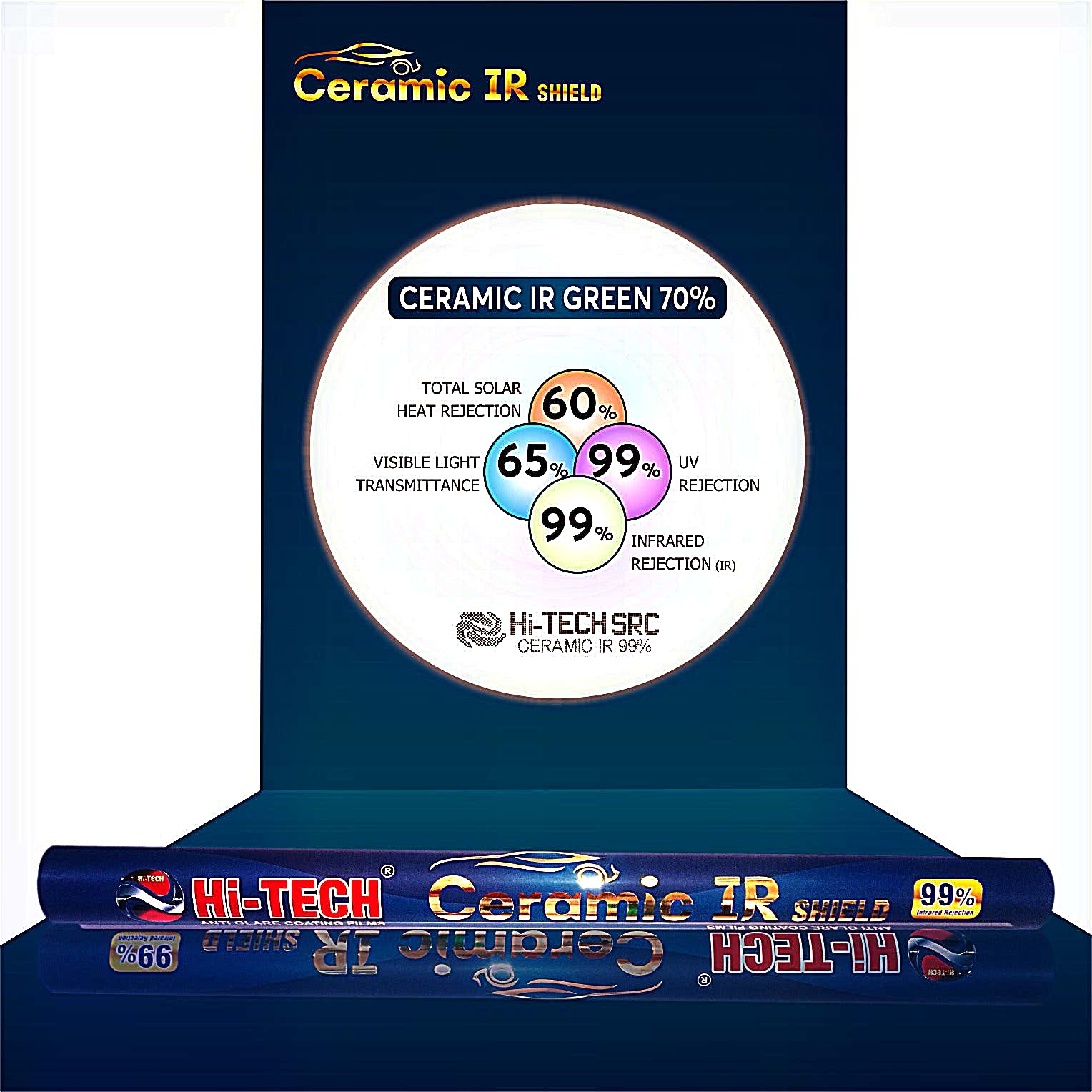
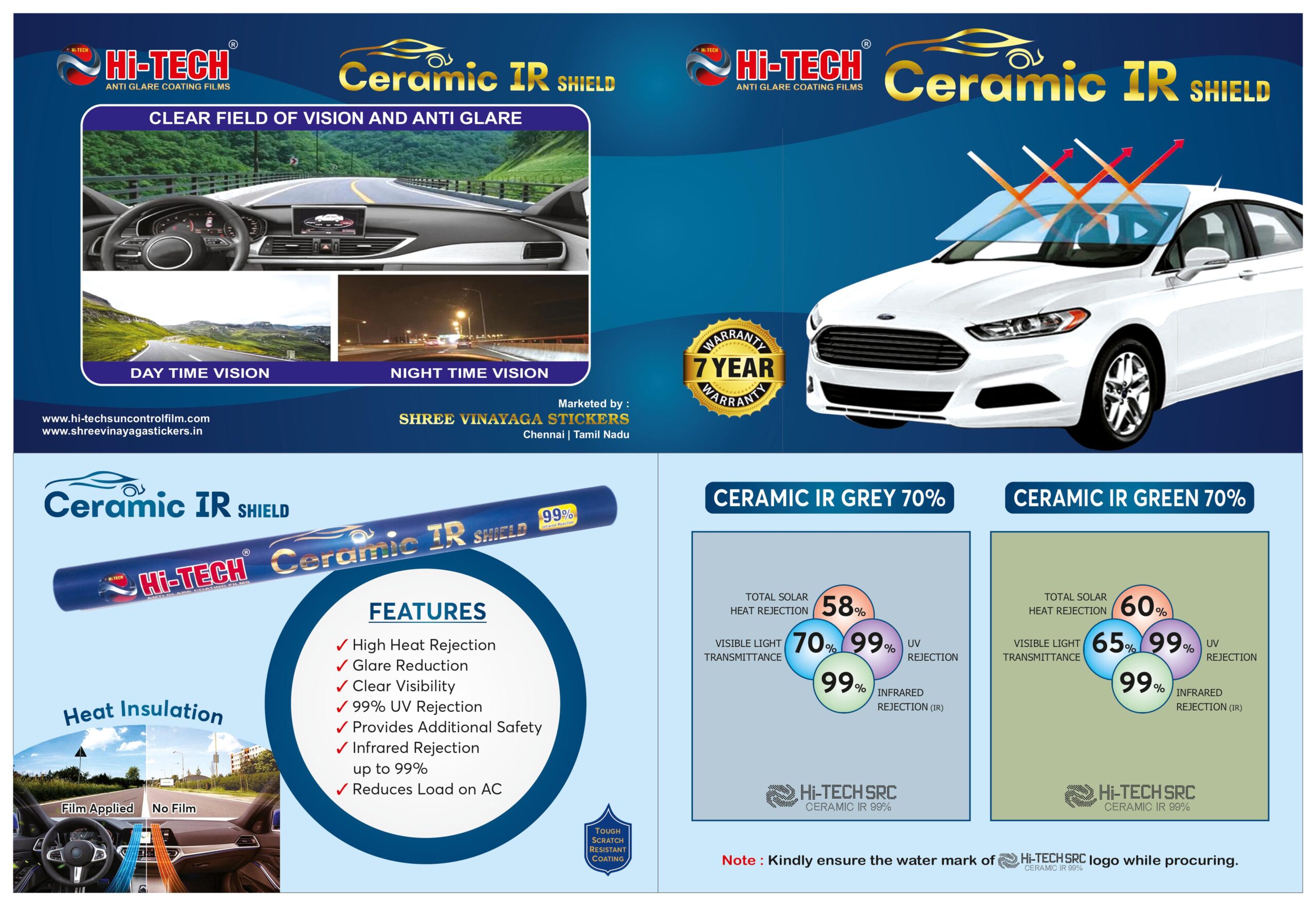 arly clear (70%).