
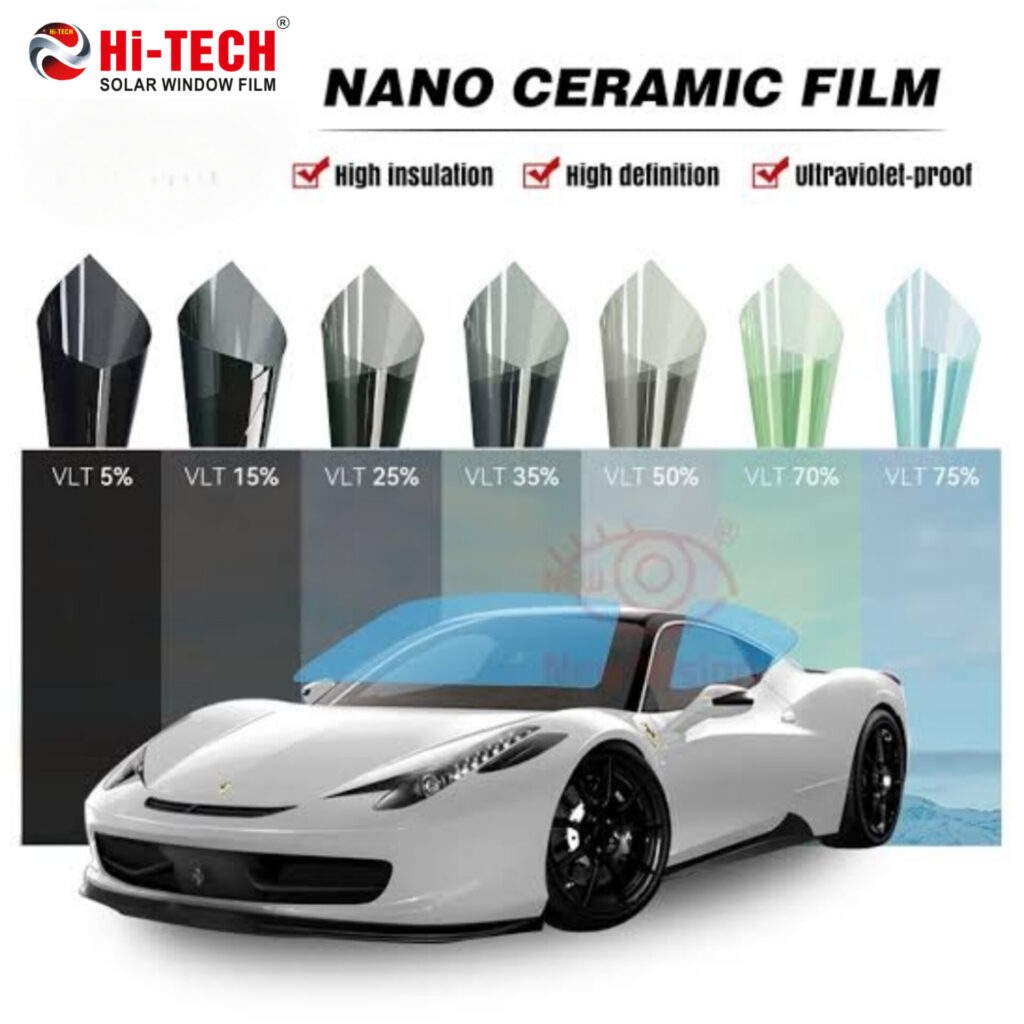
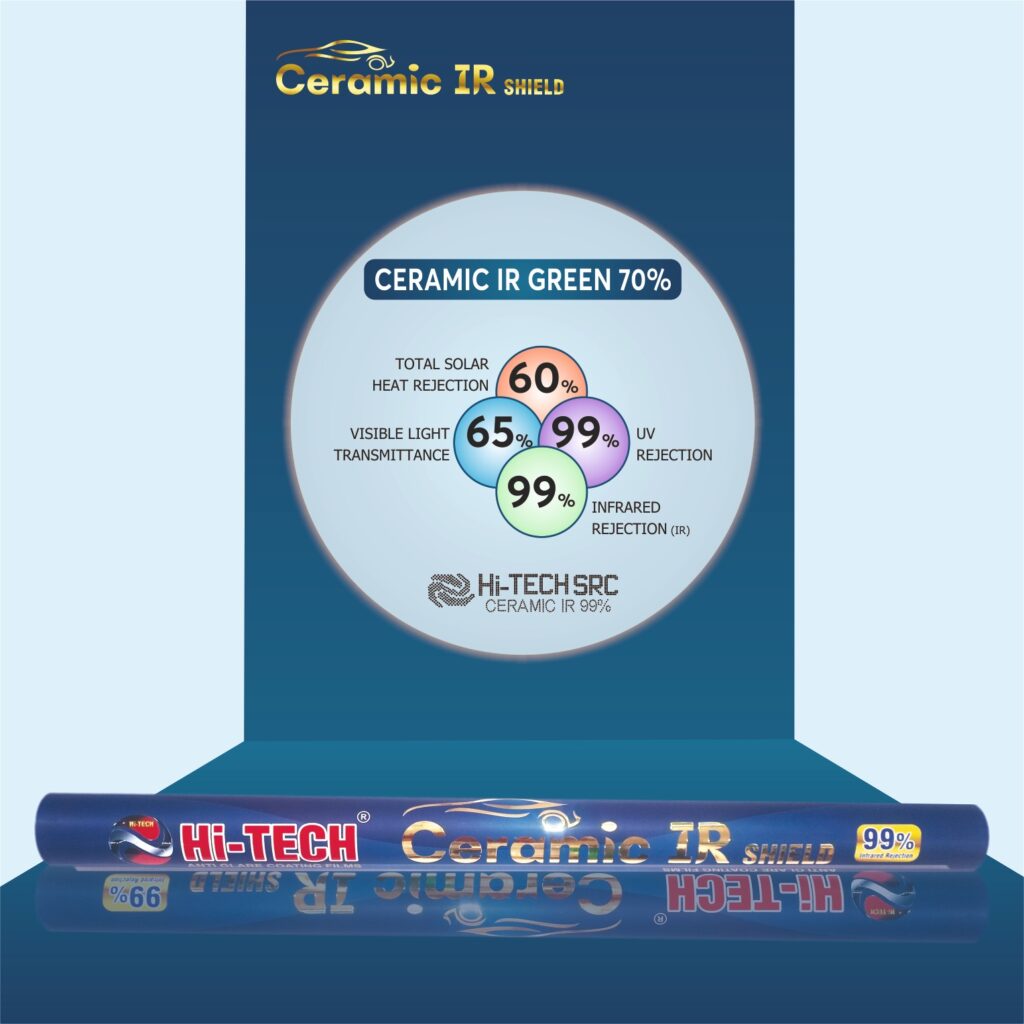
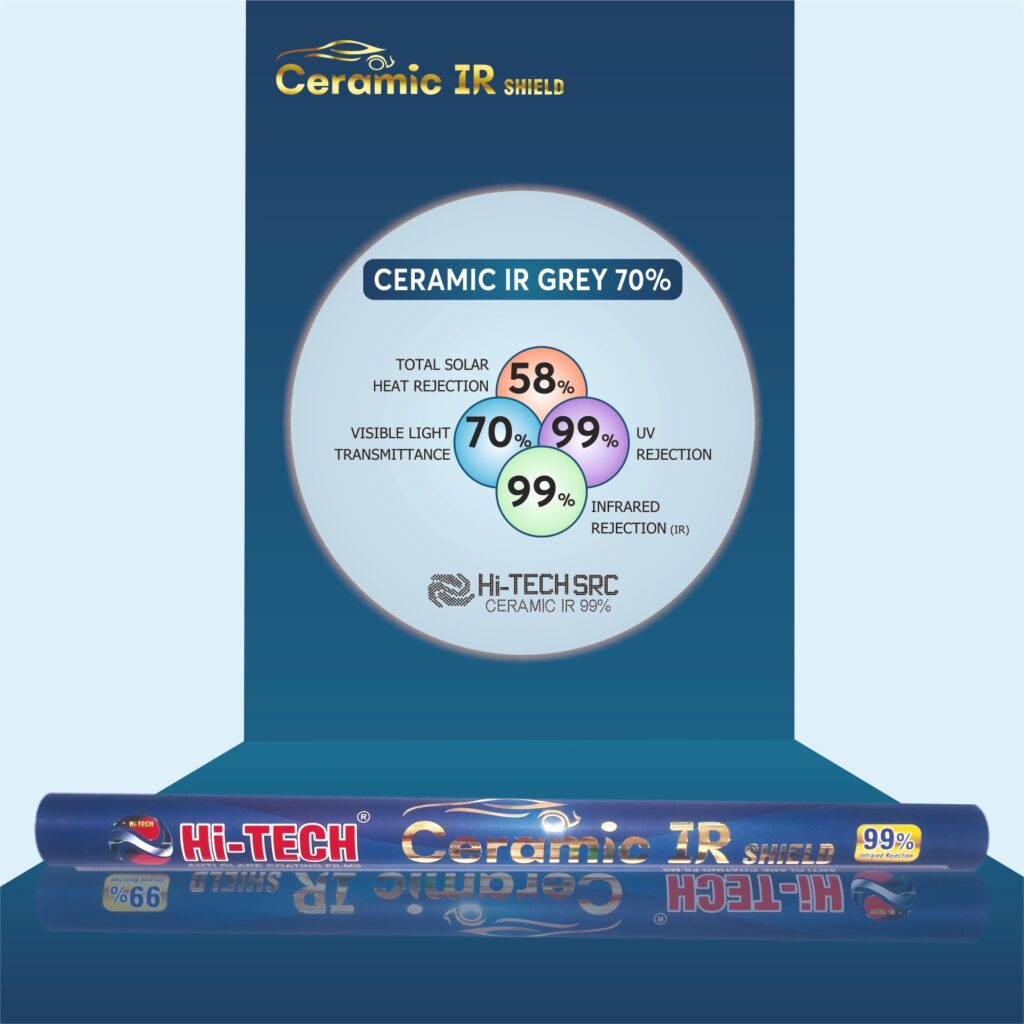
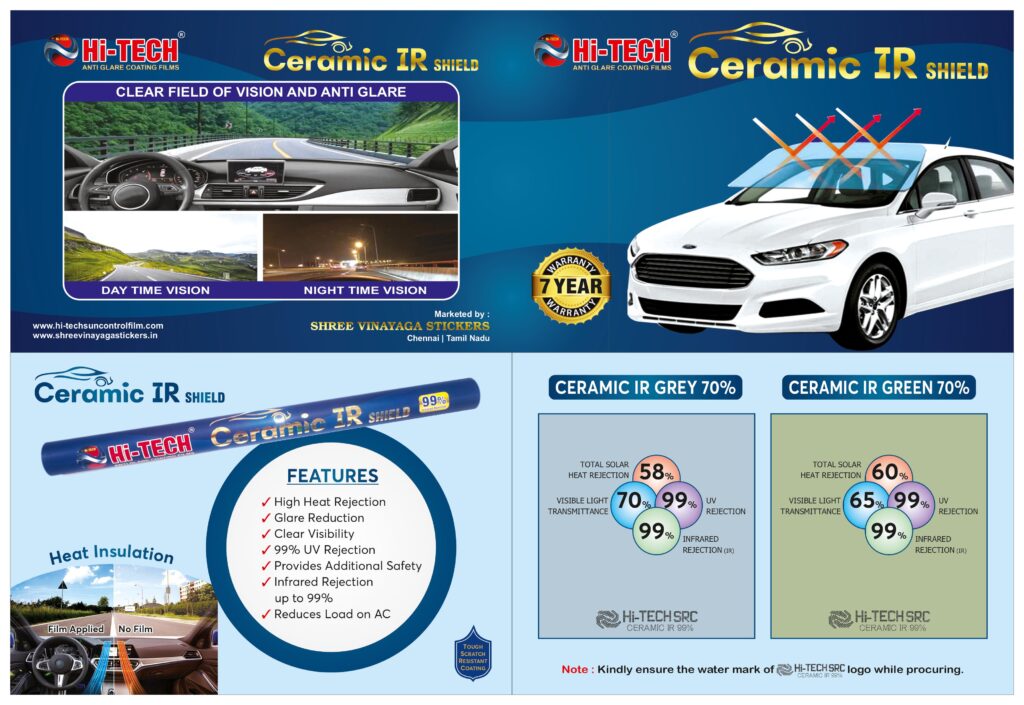
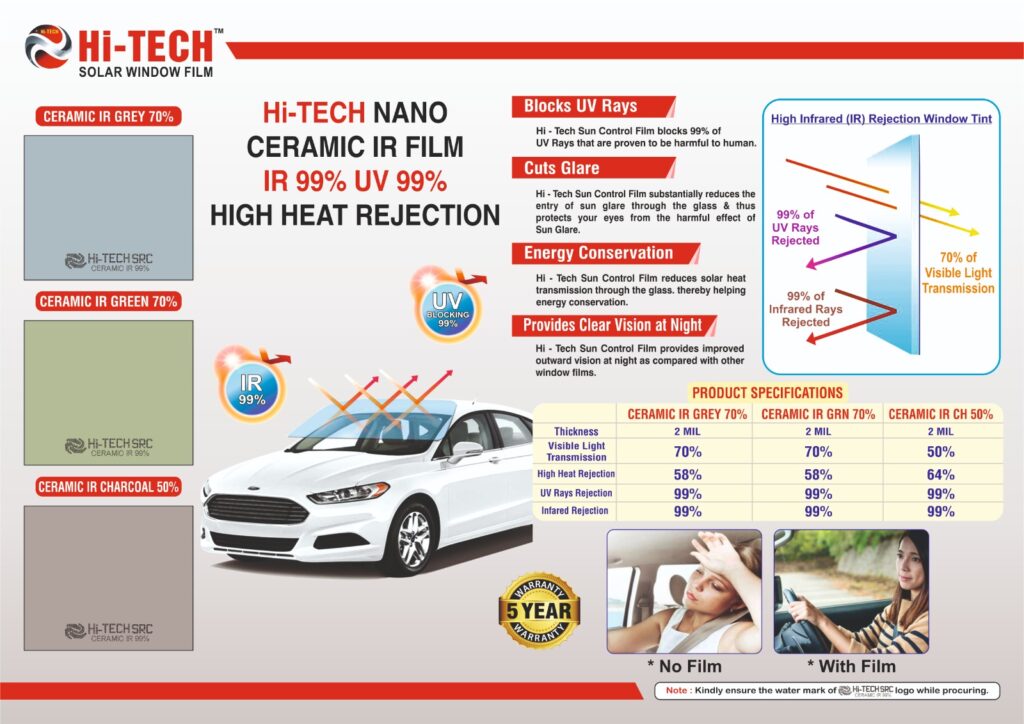
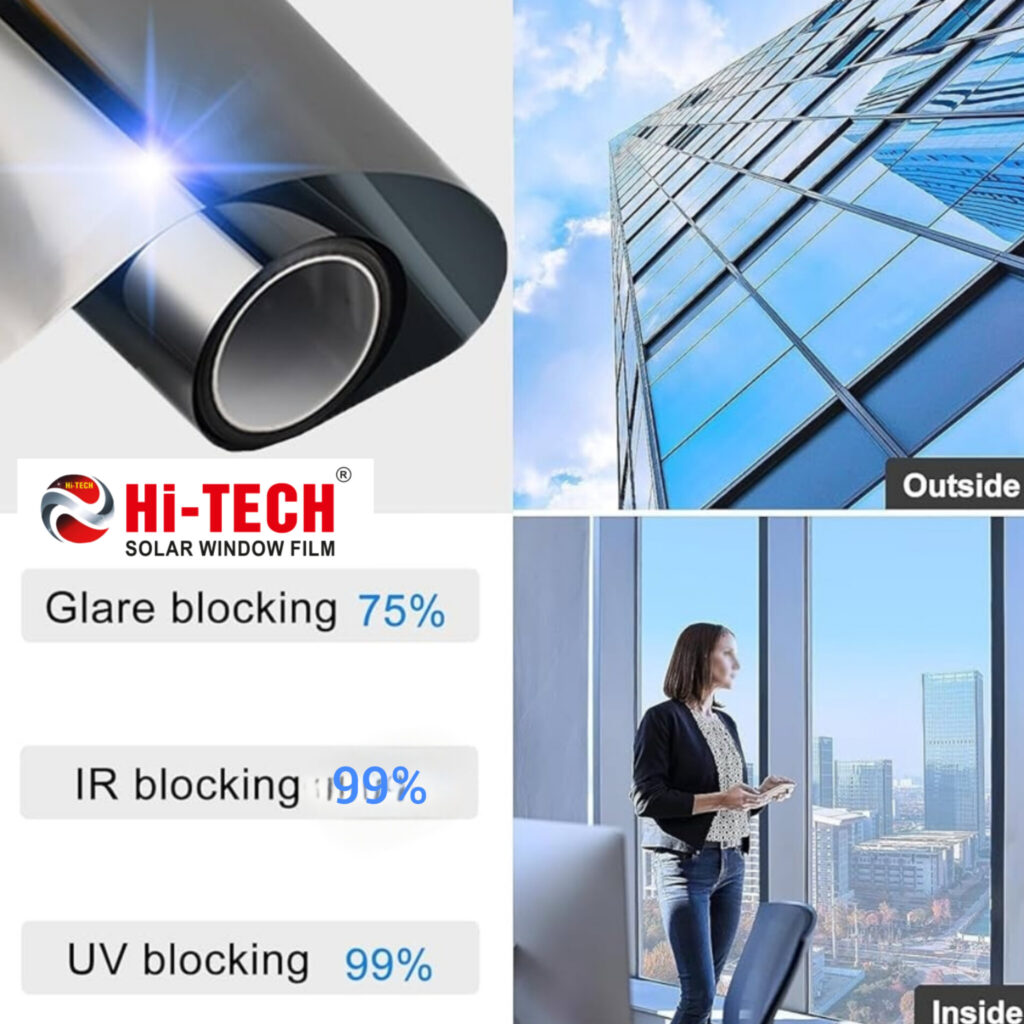
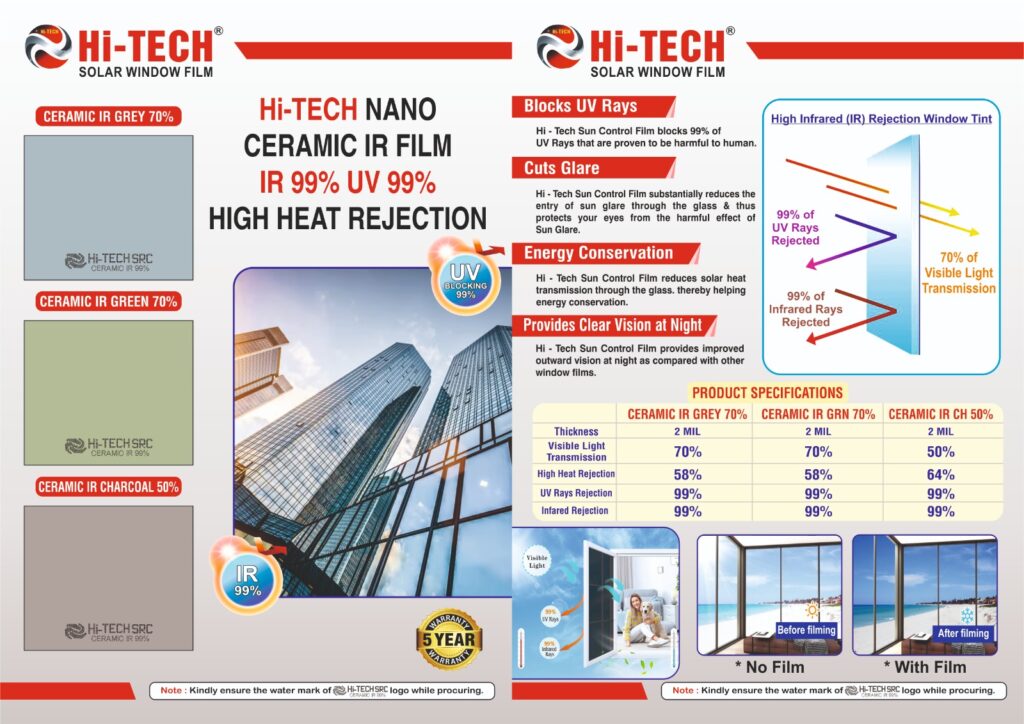
100 IR heat-cutting window film refers to high-performance window films, often ceramic or nano-ceramic, designed to block nearly all Infrared (IR) radiation (heat) and UV rays, keeping interiors cooler and more comfortable, available in various transparencies (VLT) for homes and cars, though car application needs to meet local visibility laws (like India’s 70% VLT for front/rear). Key types include nano-ceramic films for maximum heat rejection (blocking up to 99% IR) and metalized films, with brands like 3M and Ceramic Pro offering advanced options. This video explains how to choose the best window film for your home:

100 IR heat-cutting window film refers to high-performance window films, often ceramic or nano-ceramic, designed to block nearly all Infrared (IR) radiation (heat) and UV rays, keeping interiors cooler and more comfortable, available in various transparencies (VLT) for homes and cars, though car application needs to meet local visibility laws (like India’s 70% VLT for front/rear). Key types include nano-ceramic films for maximum heat rejection (blocking up to 99% IR) and metalized films, with brands like 3M and Ceramic Pro offering advanced options.
This video explains how to choose the best window film for your home
Key Features & Benefits:
- High Heat Rejection: Blocks a significant portion of the sun’s infrared energy, reducing cooling costs and preventing heat buildup.
- UV Protection: Blocks harmful UV rays, protecting interiors (furniture, dashboards) from fading and damage.
- Privacy & Glare Reduction: Offers varying levels of darkness (VLT) for privacy and reduced glare.
- Ceramic Technology: Modern films use nano-ceramic particles, offering superior heat rejection without interfering with signals (like 5G). Types of High-IR Films:Nano-Ceramic IR: Top-tier performance, non-metallic, excellent heat blocking.Metalized: Uses metal particles for heat reflection, effective but can affect signals.Dyed Films: Cost-effective, offer UV/heat protection with added darkness. Considerations:Car vs. Home: Car films must comply with local laws (e.g., India’s Supreme Court ruling requires 70% VLT for front/rear windows).Application: Available in rolls (e.g., 20×100 inches, 60×100 ft) for DIY or professional installation.
This video shows engineers testing different car window tints: